Showing posts with label monuments. Show all posts

Monday, 5 August 2024

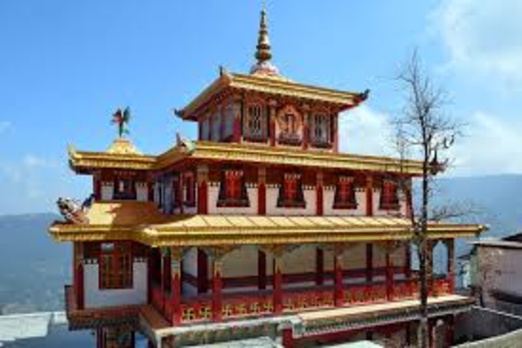
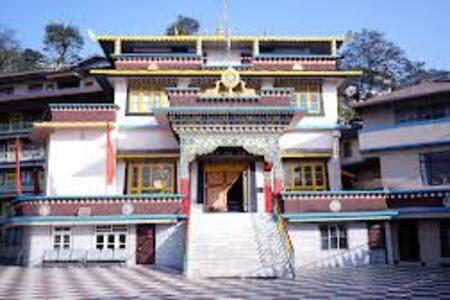
Buddhist Monasteries in Himachal Pradesh


Nestled in the serene landscapes of Himachal Pradesh, Buddhist monasteries are not just places of worship but repositories of ancient traditions and teachings. The region's rugged terrain and tranquil environment make it an ideal setting for these spiritual retreats, which have played a significant role in the cultural and religious life of the area.


History


The history of Buddhist monasteries in Himachal Pradesh is intertwined with the spread of Buddhism into the Indian subcontinent. Buddhism first arrived in the region around the 7th century CE, during the reign of Emperor Ashoka, who sent missionaries to propagate the teachings of Buddha. However, the establishment of prominent monasteries began in earnest with the arrival of Tibetan refugees in the 1950s, following the Chinese invasion of Tibet. Figures like the Dalai Lama and various Tibetan lamas established monasteries in Himachal Pradesh, particularly in areas such as Dharamshala and Manali, providing a refuge for Tibetan Buddhists and fostering a rich Buddhist cultural revival.


Methodology


The monasteries in Himachal Pradesh adhere to various schools of Tibetan Buddhism, primarily the Gelug, Kagyu, Nyingma, and Sakya traditions. Each monastery follows a distinct methodology in its practices and teachings. Monastic life typically involves rigorous study of Buddhist scriptures, meditation, and ritual practices. Monks and nuns engage in daily rituals, including prayers, offerings, and meditation sessions designed to cultivate mindfulness and compassion. The educational curriculum is comprehensive, encompassing philosophy, tantric practices, and the arts, ensuring the preservation of Buddhist knowledge and traditions.


Types


The monasteries in Himachal Pradesh vary in architectural style and function. Prominent examples include:


1. Namgyal Monastery: Located in Dharamshala, it is known as the personal monastery of the Dalai Lama and is a center for Gelugpa teachings.

2. Tibetan Buddhist Monastery in Keylong: This Kagyu monastery, situated in the remote Lahaul region, is renowned for its beautiful murals and serene setting.

3. Tashijong Monastery: This Nyingma monastery, located in the Kangra Valley, is a significant center for the practice of Tibetan Buddhism and cultural preservation.


In conclusion, Buddhist monasteries in Himachal Pradesh serve as vital centers for spiritual practice, cultural preservation, and education, reflecting the deep-rooted traditions and the enduring legacy of Buddhism in the region.

Saturday, 3 August 2024

Dudhari Temple and Monastery: An Architectural and Spiritual Landmark


Dudhari Temple and Monastery, nestled in the tranquil landscapes of the Indian state of Uttarakhand, is a remarkable site of spiritual and historical significance. Dudhari temple and monastery is a sacred shrine dedicated to Hindu God, Ram. It is located in the southern part of proper Raipur city, Chattisgarh.


The Dudhari Temple is dedicated to Lord Dudhari, an incarnation of Lord Shiva, and is renowned for its unique architectural style and spiritual significance. The temple's design reflects traditional Hindu temple architecture, featuring intricately carved stone pillars, ornate sculptures, and a sanctum sanctorum housing the deity. Pilgrims and visitors flock to this temple to seek blessings and engage in spiritual practices, making it a vibrant center of religious life.


Adjacent to the temple is the Dudhari Monastery, which complements the temple's spiritual atmosphere with its focus on meditation and study. The monastery serves as a retreat for monks and spiritual seekers, providing a peaceful environment for contemplation and learning. The monastery's simple yet elegant design emphasizes functionality and tranquility, with its peaceful courtyards and serene surroundings fostering a deep sense of introspection.


The Dudhari Temple and Monastery are also significant for their historical context. They are believed to have been established several centuries ago, with records suggesting their prominence in local religious practices for generations. The site not only reflects the deep-rooted spiritual traditions of the region but also represents a blend of historical and architectural excellence.


Visitors to Dudhari are often captivated by the harmonious blend of spirituality and nature that the temple and monastery offer. The surrounding natural beauty, combined with the site's rich religious heritage, makes Dudhari Temple and Monastery a noteworthy destination for those interested in exploring India's spiritual and historical landscapes.


Thursday, 1 August 2024

Monastery 51 at Sanchi: An Insight into Ancient Buddhist Architecture


Monastery 51, located in the ancient Buddhist complex at Sanchi, is an intriguing site that offers insights into the Buddhist monastic life and architecture of the 3rd century BCE. Situated in the Indian state of Madhya Pradesh, Sanchi is renowned for its stupas, monasteries, and ancient relics, which collectively form one of the most significant archaeological sites in India.


Monastery 51, also known as "The Great Monastery," stands out for its impressive architectural features and historical significance. It is part of the broader Sanchi archaeological complex, which was initially commissioned by Emperor Ashoka of the Maurya Dynasty. Ashoka, a fervent patron of Buddhism, contributed extensively to the development of Buddhist architecture and monastic complexes across India.


Architecturally, Monastery 51 is characterized by its simple yet functional design, reflecting the early phase of Buddhist monastic architecture. The monastery consists of a central courtyard surrounded by a series of cells used by monks for meditation and living quarters. Notably, Monastery 51 features a unique arrangement of cells that were originally used for residential purposes, showcasing the layout of early Buddhist monastic life.


One of the most significant aspects of Monastery 51 is its integration with the surrounding stupas and other monastic structures, highlighting the organized and community-oriented nature of early Buddhist practice. The monastery's strategic location on a hilltop provided a serene and secluded environment, conducive to meditation and spiritual reflection.


The remnants of Monastery 51, including its well-preserved cells and structural layout, provide valuable insights into the life and practices of early Buddhist monks. The site is a testament to the architectural and cultural heritage of Buddhism in India and remains an important destination for historians, archaeologists, and visitors interested in the rich history of Buddhist monasticism.


Wednesday, 31 July 2024

Mag-Dhog Yolmowa Buddhist Monastery

The Mag-Dhog Yolmowa Buddhist Monastery, nestled in the heart of Tibet, stands as a significant beacon of Tibetan Buddhism. Its rich history, unique methodology, and diverse practices offer a fascinating glimpse into the spiritual and cultural heritage of the region.


History


Founded in the 15th century during the reign of the 5th Dalai Lama, the Mag-Dhog Yolmowa Monastery was established by the renowned Tibetan lama, Yolmowa. The monastery's origins are deeply intertwined with the Gelug tradition, one of the major schools of Tibetan Buddhism. Over the centuries, Mag-Dhog Yolmowa has been a center of learning and spiritual practice, contributing significantly to the preservation and propagation of Tibetan Buddhist teachings. Despite facing challenges during periods of political upheaval, the monastery has remained a vital spiritual hub.


Methodology


The monastery adheres to traditional Tibetan Buddhist methodologies, which encompass a blend of meditation, study, and ritual practices. Central to its methodology is the study of Buddhist scriptures, which are meticulously preserved and studied by monks. The monastery places a strong emphasis on meditation techniques, including both analytical and contemplative practices. Rituals, such as elaborate pujas and ceremonies, play a crucial role in daily life, aiming to cultivate compassion and wisdom among practitioners.


Additionally, the monastery is known for its commitment to preserving ancient Tibetan texts and teachings. Scholars and practitioners at Mag-Dhog Yolmowa engage in extensive scriptural analysis, debate, and commentary, ensuring that the teachings remain vibrant and relevant.


Types


Mag-Dhog Yolmowa Monastery encompasses various types of Buddhist practices. These include monastic training for monks, layperson teachings, and public rituals. The monastery also hosts specific traditions related to Tibetan Buddhism, such as elaborate mandalas, thangka paintings, and tantric rituals. Each practice is designed to deepen spiritual understanding and enhance the practitioner's path toward enlightenment.


In essence, the Mag-Dhog Yolmowa Buddhist Monastery represents a cornerstone of Tibetan Buddhist culture, where history, methodology, and practice converge to foster spiritual growth and preserve a rich religious tradition.


Tuesday, 30 July 2024

Monasteries in Bihar: A Historical and Cultural Overview


Bihar, a state in eastern India, is renowned for its historical and spiritual significance, particularly for its monasteries. These religious institutions have played a crucial role in shaping the cultural and religious landscape of the region.


History


Bihar's monasteries date back to ancient times, prominently during the 5th to 7th centuries CE, when the region was a hub of Buddhism. The historical significance of these monasteries is closely tied to the life of Gautama Buddha, who attained enlightenment in Bodh Gaya, Bihar. Emperor Ashoka of the Maurya dynasty, a patron of Buddhism, contributed significantly to the growth of Buddhist monasteries by establishing several in the region. The Nalanda and Vikramshila universities, both located in Bihar, were among the most prestigious educational centers of ancient India, attracting scholars from across Asia.


Methodology


The construction and operation of monasteries in Bihar followed a specific methodology rooted in Buddhist monastic traditions. The architecture of these monasteries often featured intricate carvings and stupas, reflecting the rich artistic heritage of the time. Monasteries were typically organized around a central courtyard with cells for monks, meditation halls, and libraries. They served as centers of learning, meditation, and community service. Monks adhered to strict rules and rituals, focusing on meditation, scholarly activities, and the preservation of Buddhist teachings.


Types


Monasteries in Bihar can be categorized into several types based on their purpose and historical context:


1. Vihara Monasteries: These were residential complexes for monks, including cells, dining halls, and meditation areas. Nalanda and Vikramshila are prime examples of vihara monasteries.


2. Chaitya Monasteries: Characterized by their prayer halls or chaityas, these structures were designed for communal worship and meditation.


3. Stupa Monasteries: Built around a central stupa, these monasteries were primarily for relic worship and meditation. The Mahabodhi Temple in Bodh Gaya, though not a monastery, is an example of a stupa complex with significant historical relevance.


In summary, Bihar’s monasteries are a testament to the region's rich spiritual and educational heritage, showcasing a blend of architectural brilliance and monastic discipline. They continue to be important sites for both historical study and spiritual practice.


Monday, 29 July 2024

The Legacy of Nalanda: Monasteries and the Spread of Wisdom


Monasteries in Nalanda hold a profound historical significance, rooted deeply in India's cultural and intellectual heritage. Located in present-day Bihar, Nalanda was an ancient center of learning, attracting scholars and students from across Asia. Monasteries in Nalanda are the archaeological parts of archaeological site in Nalanda. These monasteries were popular from Gupta time to Pala era of Bengal. The monasteries here played a pivotal role in the development and dissemination of knowledge during ancient times.


History:

Nalanda's history as a center of learning dates back to the 5th century CE when it flourished under the patronage of Gupta emperors. It reached its zenith during the reign of Emperor Harsha of the 7th century CE. Nalanda University, the epitome of intellectual prowess, housed numerous monasteries where Buddhist monks pursued rigorous academic disciplines alongside spiritual practices.


Methodology:

Monasteries in Nalanda followed a disciplined educational methodology combining traditional teachings with innovative approaches to learning. The curriculum included the study of Buddhist scriptures, logic, grammar, metaphysics, and other subjects. Students engaged in debates and discussions under the guidance of learned masters, fostering an environment of critical thinking and intellectual inquiry. Monastic life emphasized not only scholarly pursuits but also ethical conduct and spiritual development.


Types:

Nalanda featured different types of monasteries catering to various aspects of Buddhist education and practice. Mahavihara, the main monastery, served as the nucleus of academic activities and religious rituals. It housed lecture halls, libraries, and living quarters for monks. Upasika viharas provided accommodation for female devotees and scholars. These monastic establishments were not only centers of learning but also hubs of cultural exchange, welcoming students and scholars from distant lands such as China, Korea, Japan, Tibet, and Southeast Asia.


The legacy of Nalanda's monasteries extends beyond their physical ruins. They symbolize an era where knowledge transcended geographical boundaries, influencing the course of Asian intellectual history. Today, efforts to preserve and study these ancient institutions continue, offering insights into a time when Nalanda was synonymous with wisdom and enlightenment.


In conclusion, the monasteries of Nalanda stand as enduring symbols of India's intellectual prowess and cultural heritage, reminding us of the profound impact of ancient centers of learning on global civilization.

Thursday, 25 July 2024

Guru Ghantal Monastery: A Sanctuary of Ancient Wisdom


Nestled amidst the serene landscapes of Himachal Pradesh, Guru Ghantal Monastery stands as a testament to both the spiritual legacy and architectural brilliance of ancient India. Guru Ghantal monastery also called by the name of the ‘Trilokinath Temple’ is an 800 year old Buddhist monastery. Located near the town of Keylong in Lahaul Valley, this monastery is revered not only for its religious significance but also for its historical importance.


Historical Roots and Architecture:

Believed to have been founded in the 8th century AD, Guru Ghantal Monastery is one of the oldest monastic establishments in the region. Its name derives from "Guru Ghantal," where "Guru" means a spiritual teacher and "Ghantal" refers to the bell that is an integral part of the monastery. The architecture is a unique blend of Tibetan and Indian styles, characterized by intricate wood carvings, murals depicting Buddhist deities, and a distinctive pagoda-like structure.


Cultural Significance:

The monastery is a hub of Buddhist culture and learning, attracting scholars and devotees seeking spiritual enlightenment. It houses ancient scriptures, thangka paintings, and ritual artifacts that offer insights into Buddhist practices and beliefs prevalent during its inception. Guru Ghantal also serves as a venue for religious ceremonies and festivals, where monks clad in traditional robes chant prayers, adding to the mystical aura of the place.


Visitor Experience:

Visitors to Guru Ghantal Monastery are greeted by the tranquil ambiance of the Lahaul Valley and the breathtaking views of the surrounding snow-capped mountains. The journey to the monastery involves a scenic drive through rugged terrain, enhancing the sense of adventure and pilgrimage. Upon arrival, guests can explore the monastery's interiors, participate in meditation sessions, or simply soak in the spiritual vibes that permeate the air.


Preservation Efforts:

Efforts are ongoing to preserve and restore Guru Ghantal Monastery, ensuring that future generations can continue to experience its cultural and historical richness. Conservation projects focus on maintaining the structural integrity of the monastery while safeguarding its invaluable artifacts and paintings from the ravages of time and weather.


Conclusion:

Guru Ghantal Monastery stands as a beacon of Buddhist heritage in the Himalayan region, inviting travelers and pilgrims alike to delve into its ancient wisdom and architectural splendor. Its enduring charm and spiritual allure make it a must-visit destination for those seeking a deeper understanding of India's cultural tapestry and the profound teachings of Buddhism.


Tuesday, 23 July 2024

Exploring Lhalung Monastery: A Testament to Ancient Tibetan Buddhism


Nestled amidst the rugged terrain of the Spiti Valley in Himachal Pradesh, India, Lhalung Monastery stands as a testament to the rich spiritual heritage of Tibetan Buddhism. Lhalung Monastery better known as Lhalun Monastery or Lalung Monastery is one of the most prime religious spots for Indians and Buddhists. Located at an altitude of approximately 3,658 meters (12,000 feet), this ancient monastery holds deep historical and cultural significance.


Lhalung Monastery, believed to have been founded over a thousand years ago, is renowned for its distinctive architecture and stunning Himalayan backdrop. Perched dramatically on a rocky outcrop overlooking the Spiti River, the monastery's whitewashed walls and traditional Tibetan motifs evoke a sense of serenity and spiritual devotion.


The monastery houses a collection of priceless Buddhist scriptures, ancient manuscripts, and exquisite thangka paintings that depict the life and teachings of Buddha. Its main prayer hall, adorned with colorful frescoes and intricate wood carvings, serves as a focal point for monks and pilgrims who gather for daily prayers and rituals.


Visitors to Lhalung Monastery can witness monks engaged in meditation, chanting prayers, and performing sacred rituals that have been passed down through generations. The monastery also hosts vibrant festivals, such as the annual Cham dance, where masked monks perform elaborate rituals to dispel evil and usher in prosperity.


Beyond its religious significance, Lhalung Monastery offers visitors a glimpse into the cultural and historical tapestry of the Spiti Valley. Surrounded by majestic snow-capped peaks and rugged landscapes, the monastery's remote location adds to its allure, making it a haven for spiritual seekers and cultural enthusiasts alike.


In essence, Lhalung Monastery stands as a symbol of resilience and devotion, preserving the ancient traditions of Tibetan Buddhism amidst the awe-inspiring beauty of the Himalayas. A visit to this sacred site promises not only a journey into the depths of spirituality but also an encounter with the enduring legacy of Tibetan culture in the heart of India's highlands.


Monday, 22 July 2024

Moghalmari Monastery: Unveiling an Ancient Buddhist Legacy


Located amidst the serene countryside of West Bengal, India, the Moghalmari Monastery stands as a testament to the rich Buddhist heritage of the region. This archaeological site, dating back to the 6th century CE, has gradually revealed itself as a crucial link to understanding the spread of Buddhism in eastern India during the early medieval period.


 Historical Significance


The Moghalmari Monastery, situated near Dantan in the Paschim Medinipur district, gained prominence with the discovery of Buddhist stupas, viharas (monastic cells), and artifacts dating back to the Gupta and Pala dynasties. These discoveries have shed light on the monastery's role as a flourishing center of Buddhism, likely influenced by the maritime trade routes that connected it with Southeast Asia and beyond.


Architectural Marvels


The architecture of Moghalmari Monastery reflects a blend of indigenous and foreign influences, characterized by its layout of monastic cells, prayer halls, and intricately designed stupas. The site's structures, although partially excavated, highlight the craftsmanship and religious fervor of the ancient Buddhist monks who inhabited it.


Cultural Insights


Beyond its architectural grandeur, Moghalmari Monastery provides cultural insights into the everyday lives of early Indian Buddhists. Artefacts such as terracotta plaques depicting Buddha, stupas adorned with intricate carvings, and inscriptions in ancient scripts offer a glimpse into the monastery's spiritual and scholarly pursuits.


 Conservation Efforts and Tourism


In recent years, concerted efforts by archaeological teams and local authorities have focused on preserving and promoting Moghalmari Monastery as a significant cultural heritage site. Improved accessibility and guided tours have encouraged tourism, enabling visitors to appreciate the monastery's historical richness amidst its tranquil rural surroundings.


Conclusion


The Moghalmari Monastery stands as a pivotal archaeological site, not only enriching our understanding of ancient Buddhist architecture but also serving as a symbol of cultural exchange and spiritual enlightenment. As ongoing excavations continue to unearth new discoveries, this site promises to remain a cornerstone in the study of Buddhism's spread and influence in South Asia.


In essence, visiting Moghalmari Monastery is akin to stepping back in time, where history whispers through the stones and relics, inviting us to explore and appreciate the enduring legacy of India's Buddhist past.


Friday, 19 July 2024

Ghoom Monastery: Sacred Sanctuary of Maitreya Buddha


Ghoom Monastery, officially known as Yiga Choeling Monastery, is a revered Tibetan Buddhist monastery located in Ghoom, near Darjeeling in the state of West Bengal, India. Established in 1850 by Lama Sherab Gyatso, this monastery holds historical significance as one of the oldest of its kind in the region.


The monastery is perched at an altitude of approximately 7,000 feet, offering stunning views of the surrounding hills and the snow-capped Himalayan peaks on clear days. Its architecture reflects traditional Tibetan style, characterized by ornate wood carvings, colorful murals depicting Buddhist deities and symbols, and a distinctive pagoda-style roof. Prayer flags flutter in the breeze around the monastery, adding to its spiritual ambiance.


Ghoom Monastery is particularly renowned for housing a 15-foot tall statue of Maitreya Buddha (the Future Buddha), which attracts devotees and tourists alike. This statue is believed to emanate peace and compassion, embodying the essence of Buddhist teachings.


The monastery serves as a center for Buddhist learning and practice in the region. Monks residing here follow a disciplined monastic life, engaging in daily rituals, prayers, and meditation sessions. Visitors to Ghoom Monastery can witness these rituals, explore the prayer halls adorned with ancient scriptures and religious artifacts, and experience the serene atmosphere conducive to introspection and spiritual contemplation.


Ghoom Monastery also plays a crucial role in preserving Tibetan Buddhist culture and heritage in India. Throughout the year, the monastery hosts religious festivals and ceremonies, including Losar (Tibetan New Year) and Buddha Jayanti, attracting pilgrims and travelers interested in immersing themselves in Buddhist traditions.


In conclusion, Ghoom Monastery stands as a testament to the enduring presence of Tibetan Buddhism in Darjeeling. Its tranquil setting, rich history, and spiritual significance make it a must-visit destination for those seeking cultural immersion and spiritual renewal in the lap of the Himalayas.


Thursday, 18 July 2024

Tendong Monastery: Preserving Buddhist Heritage


Tendong Monastery, nestled in the serene hills of Sikkim, India, stands as a testament to Buddhist traditions and spiritual practice. Tendong Gumpha is situated atop Tendong Hill in South Sikkim. This monastery is surrounded by lush green virgin reserve forest. No monks reside in this secluded monastery. Established centuries ago, its history intertwines with the rich cultural fabric of the region.


History:

Founded during the Chogyal dynasty, Tendong Monastery holds deep historical significance. It is believed to have been established by revered Buddhist masters who sought solitude and spiritual enlightenment amidst the tranquil surroundings of Tendong Hill. Over the years, the monastery has served as a center for learning, meditation, and religious discourse, attracting both monks and devotees seeking spiritual guidance.


Methodology:

The monastery follows the Tibetan Buddhist tradition, emphasizing meditation, chanting, and study of Buddhist scriptures. Monks devote themselves to rigorous daily routines that include prayers and rituals aimed at cultivating inner peace and wisdom. Meditation plays a pivotal role, with practitioners focusing on mindfulness and insight to achieve spiritual growth and enlightenment.


Types of Practice:

Within Tendong Monastery, various types of Buddhist practices are observed. These include:

·         Vipassana Meditation: A practice of insight meditation aimed at developing clear awareness of the present moment and understanding the true nature of existence.

·         Puja Rituals: Ceremonial worship involving chants, offerings, and prayers to invoke blessings and spiritual protection.

·         Scripture Study: Monks engage in the study of Buddhist scriptures such as the Tripitaka and teachings of eminent masters, deepening their understanding of Buddhist philosophy and ethics.


Conclusion:

Tendong Monastery stands as a beacon of Buddhist spirituality and cultural heritage in Sikkim. Through its rich history, disciplined methodologies, and diverse practices, it continues to inspire generations of Buddhists and seekers alike. As a sanctuary of peace and learning, it embodies the timeless teachings of compassion, wisdom, and the pursuit of enlightenment that define the essence of Tibetan Buddhism.


Wednesday, 17 July 2024

Exploring Rumtek Monastery: A Journey into Tibetan Buddhism


Rumtek Monastery is a Tibetan Buddhist monastery situated in Sikkim near the capital Gangtok. It is the largest monastery in the state and one of the most popular attractions to tourists. This esteemed Buddhist institution has a captivating history that spans centuries, offering visitors a glimpse into the methodologies and practices that have been meticulously preserved within its hallowed walls.


Rumtek Monastery's origins can be traced back to the 16th century, when it was established by the Ninth Karmapa, Wangchuk Dorje, as the primary seat of the Karma Kagyu school of Tibetan Buddhism. Over the years, the monastery has played a crucial role in the propagation and preservation of this important spiritual tradition, serving as a hub for religious studies, meditation, and the transmission of ancient teachings.


One of the defining features of Rumtek Monastery is its unique architectural style, which blends elements of Tibetan and Sikkimese design. The intricate murals, thangka paintings, and gilded sculptures adorning the monastery's interior are a testament to the skilled craftsmanship and devotion of the Karma Kagyu lineage. Visitors are often captivated by the serene ambiance and the sense of timelessness that permeates the sacred spaces.


The monastery's educational and spiritual methodologies are equally captivating. Within its walls, students and practitioners engage in a rigorous program of study and meditation, delving into the rich philosophical and contemplative traditions of Tibetan Buddhism. The Karma Kagyu lineage is known for its emphasis on the practice of Mahamudra, a profound and transformative approach to the realization of one's true nature.


In addition to the Karma Kagyu school, Rumtek Monastery also houses other important Buddhist traditions, such as the Nyingma and Sakya lineages. This diversity of spiritual practices and teachings reflects the monastery's role as a hub of inter-sectarian dialogue and exchange, fostering a deeper understanding of the various strands of Tibetan Buddhism.


As visitors explore the serene courtyards, intricate shrines, and imposing stupas of Rumtek Monastery, they are transported to a realm of timeless wisdom and spiritual contemplation. This sacred site stands as a testament to the enduring resilience of the Himalayan Buddhist tradition, offering a profound and enriching experience for all who venture to its hallowed grounds.

Tuesday, 16 July 2024

Gonjang Monastery's Role in Tibetan Buddhism


Gonjang Monastery, nestled in the picturesque hills near Gangtok, Sikkim, is a revered center of Tibetan Buddhism. Established in the early 20th century, this Gonjang monastery holds deep historical significance within the Nyingma tradition, one of the oldest schools of Tibetan Buddhism.


History:

Founded with the vision of promoting Buddhist teachings and spiritual practices, Gonjang Monastery was established by the revered Buddhist master H.E. Terchen Rinpoche. His aim was to create a sanctuary where monks could dedicate themselves to rigorous study, meditation, and the dissemination of Buddhist wisdom. Over the decades, Gonjang Monastery has grown in stature, attracting devotees and scholars seeking enlightenment and spiritual guidance.


Methodology:

The monastery follows the Nyingma tradition, known for its emphasis on meditation, visualization practices, and the study of Buddhist scriptures such as the Tibetan Book of the Dead (Bardo Thodol). Monks at Gonjang Monastery engage in daily rituals, prayers, and ceremonies, which are integral to their spiritual development. Meditation forms a cornerstone of their practice, allowing monks to cultivate inner peace, wisdom, and compassion.


Types:

Within Gonjang Monastery, various types of teachings and practices are imparted to monks and practitioners. These include:

a)      Philosophical Studies: Monks delve into the profound teachings of Buddhist philosophy, exploring concepts such as emptiness (sunyata), compassion (karuna), and impermanence (anicca).

b)      Meditation Practices: Meditation sessions are conducted to enhance concentration, mindfulness, and spiritual insight. Techniques range from focused breathing (shamatha) to analytical meditation (vipassana).

c)       -Rituals and Ceremonies: The monastery hosts elaborate rituals and ceremonies throughout the year, celebrating important Buddhist festivals and auspicious occasions.


Gonjang Monastery stands as a beacon of spiritual enlightenment and cultural preservation in Sikkim. Its tranquil surroundings, adorned with prayer flags fluttering in the breeze and the sound of chanting monks, create a serene atmosphere conducive to inner reflection and spiritual growth. Visitors to Gonjang Monastery are welcomed to witness its rich traditions, experience the warmth of its community, and partake in the timeless wisdom of Tibetan Buddhism.