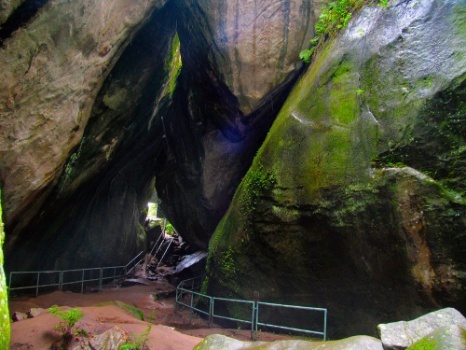
Showing posts with label architecture. Show all posts

Wednesday, 18 September 2024

Sculpture at Elephanta Caves: A Journey Through Time


Nestled on Elephanta Island, just a short ferry ride from Mumbai, the Elephanta Caves are a UNESCO World Heritage Site renowned for their stunning rock-cut sculptures. These ancient caves, dating back to the 5th to 8th centuries CE, offer a glimpse into the artistic and religious life of ancient India. The sculptures, primarily dedicated to Lord Shiva, reflect the intricate craftsmanship and spiritual beliefs of the period, making the site a treasure trove for historians, art lovers, and tourists alike.

The Elephanta Caves consist of two groups: Hindu and Buddhist. The former is most prominent and is characterized by its remarkable depictions of Hindu deities. The origins of the caves are still debated among scholars, but it is widely believed that they were created during the rule of the Kalachuri dynasty. The site is named after a large elephant statue that once stood at the entrance, which is now housed at the Jijamata Udyaan in Mumbai.

The most significant of the caves is the main cave, also known as Cave 1, which features a grand central chamber measuring around 27 meters long and 15 meters high. The ceiling is adorned with intricate carvings, while the walls are lined with breathtaking sculptures. The craftsmanship is a testament to the advanced techniques of rock-cut architecture prevalent during the era.

Among the most striking sculptures is the colossal depiction of the Trimurti, a three-headed representation of Lord Shiva, which towers majestically over visitors. This sculpture, measuring about 20 feet in height, symbolizes the three aspects of Shiva: the creator (Brahma), the preserver (Vishnu), and the destroyer (Shiva himself). Surrounding the Trimurti are other notable carvings of various deities, including Parvati, Ganesha, and Nandi, each telling its own story and reflecting the rich tapestry of Hindu mythology.

The sculptures at Elephanta are not just artistic achievements; they are also imbued with deep spiritual significance. Each carving is meticulously designed to convey themes of divinity, creation, and the eternal cycle of life. The portrayal of Shiva in multiple forms signifies his multifaceted nature—protector, creator, and destroyer—echoing the complexities of existence.

The central chamber’s design is also noteworthy, as it serves a dual purpose: a space for worship and a reflection of the cosmos. The cave’s orientation allows natural light to illuminate the sculptures at specific times of the day, enhancing their spiritual aura and creating an almost ethereal atmosphere.

Over the centuries, the Elephanta Caves have faced challenges, including erosion and vandalism. Despite these threats, ongoing preservation efforts aim to protect this invaluable cultural heritage. The site attracts thousands of visitors annually, drawing not just tourists but also scholars and artists who seek inspiration from its timeless beauty.

The sculptures at Elephanta Caves stand as a monumental testament to India’s rich cultural and artistic heritage. They not only highlight the extraordinary skill of ancient artisans but also encapsulate the spiritual essence of Hinduism. A visit to Elephanta is not merely a journey to view ancient art; it is an exploration of history, spirituality, and the enduring legacy of a civilization that continues to inspire awe and reverence. As we look towards the future, the preservation of such sites is vital for maintaining the connections to our past, ensuring that the stories etched in stone continue to resonate for generations to come.


Friday, 13 September 2024

The Arts and Architecture of the Ajanta Caves: Timeless Masterpieces of Indian Heritage


Nestled in the Sahyadri Hills of Maharashtra, India, the Ajanta Caves represent a pinnacle of ancient Buddhist art and architecture. Dating back to the 2nd century BCE to the 6th century CE, these rock-cut caves are a remarkable testament to India's rich cultural and religious history. Declared a UNESCO World Heritage Site in 1983, the Ajanta Caves offer an extraordinary glimpse into the artistic and architectural achievements of ancient India.

The Ajanta Caves were created during two distinct periods: the earlier phase between the 2nd century BCE and the 1st century CE, and the later phase from the 5th to the 6th century CE. The earlier caves were primarily used for meditation and monastic living by Buddhist monks, while the later caves were constructed under the patronage of various Indian dynasties, including the Vakatakas, who were instrumental in the flourishing of Buddhist art.

The Ajanta Caves are primarily divided into two categories: chaityas (prayer halls) and viharas (monasteries). The architectural design of these caves reflects a sophisticated understanding of space and aesthetics, achieved by carving directly into the rocky cliffs.

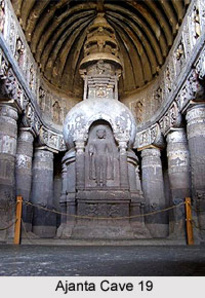
Chaityas (Prayer Halls): The chaityas are characterized by their semi-circular apsidal shape, which is designed to accommodate congregational worship. The most notable chaitya is Cave 19, featuring an impressive barrel-vaulted ceiling and a large stupa at its center. The interior of this cave is adorned with intricate carvings and decorative motifs, illustrating the skill of the ancient artisans.

Viharas (Monasteries): The viharas served as living quarters for monks and included residential cells arranged around a central courtyard. Cave 1 is one of the most remarkable viharas, distinguished by its spacious hall, intricately painted ceilings, and a richly adorned Buddha statue. The viharas are notable for their functional design, which integrates living spaces with areas for meditation and communal activities.

The Ajanta Caves not only highlight the artistic and architectural prowess of ancient India but also reflect the spiritual and cultural milieu of the time. The caves served as a center for Buddhist education and meditation, and their art and architecture are imbued with spiritual symbolism and philosophical depth.

The narratives depicted in the frescoes and sculptures offer valuable insights into the social and cultural life of the period, including trade, dress, and daily activities. The caves also illustrate the spread of Buddhism across India and its integration into local cultures.

Preserving the Ajanta Caves has been a significant challenge due to natural wear and tear, as well as human intervention. Efforts have been made to conserve the site and protect its delicate artworks. The Ajanta Caves continue to attract scholars, tourists, and art enthusiasts from around the world, serving as a reminder of India's rich artistic heritage.

In conclusion, the Ajanta Caves stand as a monumental achievement in the history of art and architecture. Their intricate designs, vibrant frescoes, and spiritual significance make them a treasure trove of ancient Indian culture. As we marvel at these timeless masterpieces, we gain a deeper appreciation of the artistic and philosophical achievements that have shaped India's cultural legacyTop of FormBottom of Form.

Monday, 9 September 2024

Indian Temple Sculptures: A Legacy of Art and Spirituality


Indian temple sculptures represent a remarkable blend of artistry, spirituality, and cultural heritage. These sculptures, which adorn temples across India, are not merely decorative elements but are imbued with deep religious and symbolic significance. They serve as a testament to the rich artistic traditions of India and offer insights into its spiritual and cultural history.

The tradition of temple sculpture in India dates back to ancient times, with evidence found in various archaeological sites and ancient texts. The earliest examples of Indian temple sculpture can be traced to the Mauryan period (circa 322-185 BCE), with the Ashokan pillars and the Barabar Caves showcasing intricate carvings. However, the most prolific and influential periods for temple sculpture were the Gupta (circa 320-550 CE) and Chola (circa 850-1279 CE) dynasties, during which the art form reached its zenith.

During the Gupta period, temple architecture and sculpture evolved significantly, characterized by its refined and elegant style. The Chola period saw the proliferation of monumental temples, with sculptures that depicted complex mythological scenes and deities. The later medieval period continued this tradition, producing a diverse range of styles and regional variations.

Indian temple sculptures are known for their diversity, reflecting the regional and sectarian variations in religious practices. The major styles of temple sculpture include:

Nagara Style: Predominantly found in northern India, the Nagara style features elaborate and intricate carvings. Temples built in this style often showcase detailed depictions of Hindu deities, mythological narratives, and ornate architectural elements. The Kandariya Mahadev Temple in Khajuraho is a prime example of this style, with its exquisite erotic sculptures and elaborate friezes.

Dravidian Style: Predominant in southern India, the Dravidian style is characterized by its towering gopurams (gateway towers) and richly adorned vimanas (temple towers). Sculptures in this style are often more robust and dynamic, with a focus on depicting deities and mythological scenes in a grandiose manner. The Brihadeeswarar Temple in Thanjavur is an iconic example of Dravidian architecture and sculpture.

Vesara Style: A hybrid of Nagara and Dravidian styles, the Vesara style is found in the Deccan region. It combines elements of both northern and southern architectural and sculptural traditions, resulting in a unique and distinctive form. The Chalukyan temples of Badami and Aihole illustrate the Vesara style's rich sculptural details and intricate designs.

Temple sculptures in India are not mere artistic expressions but are deeply intertwined with religious and symbolic meanings. Each sculpture serves a specific purpose, from depicting divine beings and mythological stories to conveying spiritual teachings and moral values.

For example, sculptures of Hindu deities such as Vishnu, Shiva, and Durga are designed to embody specific attributes and powers. The depiction of these deities in various postures (mudras) and with symbolic accessories conveys their divine qualities and roles within the cosmic framework. Similarly, Jain and Buddhist temple sculptures often depict scenes from the lives of revered saints and historical events, serving as visual aids for meditation and reflection.

In conclusion, Indian temple sculptures represent a profound and enduring legacy of art, spirituality, and cultural identity. Through their intricate details, diverse styles, and rich symbolism, they continue to inspire awe and reverence, offering a window into India's ancient artistic traditions and religious practices.

Top of Form

Bottom of Form


Friday, 6 September 2024

Monuments of North India: A Tour Through History and Culture


North India is renowned for its rich historical and cultural heritage, which is beautifully encapsulated in its diverse array of monuments. The Monuments of North India stand as a testament to the country’s rich history. From grand forts to exquisite temples, these structures offer a glimpse into the region's storied past.

1. Red Fort, Delhi

One of the most iconic monuments of North India is the Red Fort in Delhi. Constructed by the Mughal Emperor Shah Jahan in 1648, this massive fortification is renowned for its stunning red sandstone walls and intricate Mughal architecture. The fort's historical significance is underscored by its role as the main residence of Mughal emperors for over 200 years and its place in India's struggle for independence.

2. Taj Mahal, Agra

The Taj Mahal in Agra is a global symbol of love and an architectural masterpiece. Built by Emperor Shah Jahan in memory of his wife Mumtaz Mahal, this white marble mausoleum is celebrated for its stunning symmetry and elaborate inlay work. As a UNESCO World Heritage site, the Taj Mahal attracts millions of visitors annually and is often regarded as one of the New Seven Wonders of the World.

3. Qutub Minar, Delhi

Another remarkable monument in Delhi is the Qutub Minar. Erected in 1193 by Qutb-ud-din Aibak, this towering minaret stands at 73 meters and is the tallest brick minaret in the world. It is an important example of early Indo-Islamic architecture and is surrounded by ruins of ancient structures that add to its historical context.

4. Fatehpur Sikri, Uttar Pradesh

Fatehpur Sikri, built by Emperor Akbar in the late 16th century, is a city constructed entirely of red sandstone. It served as the Mughal Empire’s capital for a brief period before being abandoned. The complex includes stunning buildings like the Diwan-i-Khas (Hall of Private Audience) and the Buland Darwaza (Victorious Gate), showcasing Akbar’s architectural vision and administrative innovations.

5. Golden Temple, Amritsar

The Golden Temple, or Harmandir Sahib, in Amritsar is a sacred Sikh shrine and an architectural marvel. Built in the 16th century, its golden facade and tranquil surroundings reflect the spiritual and cultural ethos of Sikhism. The temple's community kitchen, serving free meals to thousands daily, embodies the Sikh principle of selfless service.

6. Humayun’s Tomb, Delhi

Humayun's Tomb, completed in 1572, is an early example of Mughal architecture and a precursor to the Taj Mahal. The tomb, built for Emperor Humayun, is set within a beautiful garden and is notable for its use of red sandstone and white marble.

These monuments of North India not only highlight the region's historical grandeur but also its diverse cultural influences. Each site offers a unique window into the past, reflecting the artistic, architectural, and cultural achievements of different eras.


Tuesday, 3 September 2024

Architecture of Punjab: A Fusion of Tradition and Innovation


Punjab, a region straddling northern India and eastern Pakistan, boasts a rich architectural heritage that reflects its diverse cultural and historical influences. The architecture of Punjab is characterized by a blend of indigenous styles and foreign influences, creating a unique and vibrant architectural legacy.


Historical Influences


Punjab's architectural landscape has been shaped by its long history, including influences from various empires and rulers. The region saw the rise and fall of numerous dynasties, including the Mauryas, Guptas, Mughals, and Sikh Empire, each leaving a distinct mark on its architecture.


1. Mughal Influence: During the Mughal era, Punjab was adorned with magnificent structures that showcased Mughal architectural grandeur. The most notable example is the Shalimar Gardens in Lahore, an exquisite garden complex with intricately designed water features, reflecting Mughal aesthetics. The Badshahi Mosque, also in Lahore, exemplifies Mughal architecture with its grand scale, red sandstone, and marble inlay.


2. Sikh Architecture: The Sikh Empire, founded by Guru Nanak and expanded by subsequent Gurus, left a significant architectural imprint. The most iconic structure is the Golden Temple (Harmandir Sahib) in Amritsar. This sacred Sikh shrine features a blend of Hindu and Islamic architectural elements, with its golden dome and marble facade symbolizing spiritual and cultural harmony. Sikh architecture is also known for its fortifications and palaces, which were often characterized by robust construction and functional design.


Traditional Elements


Punjab’s traditional architectureincludes rural and vernacular styles that reflect the region's agrarian lifestyle. Havelis large, stately homes are a prime example, especially in historical towns. These homes are known for their intricate woodwork, spacious courtyards, and elaborate frescoes. Traditional Punjab houses, or Kothis, often feature flat roofs, thick walls, and large verandas to accommodate the region’s climate.


Modern Influences


In contemporary times, Punjab’s architecture has embraced modernity while retaining traditional elements. Urban centers like Chandigarh, designed by the renowned architect Le Corbusier in the 1950s, showcase modernist architecture with a focus on functionality and aesthetics. The city features clean lines, geometric forms, and innovative urban planning, making it a notable example of modernist influence in the region.


Conclusion


The architecture of Punjab is a rich tapestry of historical influences, traditional practices, and modern innovations. From the grandeur of Mughal edifices to the spiritual significance of Sikh shrines and the evolution of modern urban design, Punjab’s architectural heritage reflects its dynamic and multifaceted history. This blend of old and new continues to shape the architectural identity of the region, offering a fascinating glimpse into its cultural evolution.


Monday, 26 August 2024

Temples of Vijayanagara: Architectural Marvels of a Forgotten Empire


The Vijayanagara Empire, which thrived in South India from the 14th to the 17th centuries, is renowned not only for its political and military prowess but also for its remarkable contributions to art and architecture. Among the many legacies of this great empire, its temples stand out as exemplary embodiments of grandeur and religious devotion. These temples, scattered across the ruins of the once-flourishing city of Vijayanagara, now in present-day Karnataka, India, reflect a rich cultural tapestry and an architectural zenith that continues to captivate historians, archaeologists, and visitors alike.

The temples of  Vijayanagara are celebrated for their distinctive architectural style, which blends elements of Dravidian architecture with unique innovations that set them apart from their predecessors. The Vijayanagara temples often feature towering gopurams (gateway towers), intricately carved pillars, and expansive courtyards. These structures were designed not only for their religious significance but also to reflect the empire's wealth and artistic prowess.

Several temples from the Vijayanagara period stand out due to their architectural innovation and historical importance. The Virupaksha Temple, dedicated to Lord Shiva, is perhaps the most renowned. Located in the Hampi complex, this temple is one of the oldest and most significant structures of Vijayanagara. The temple's main sanctum is flanked by a series of pillared halls and is renowned for its impressive central tower, which is adorned with intricate carvings.

The Hazara Rama Temple, dedicated to Lord Rama, is renowned for its extensive bas-reliefs that narrate the epic Ramayana. This temple provides a unique glimpse into the narrative art of the Vijayanagara period and serves as an important repository of the cultural and religious ethos of the time.

The Vijayanagara Empire was a bastion of Hindu culture and religion, and its temples played a central role in both daily life and state rituals. The construction of these temples was often sponsored by the ruling elite as a means of demonstrating devotion and consolidating their power. Temples were not only religious centers but also hubs of social and economic activity. They hosted festivals, fairs, and ceremonies that were integral to the cultural life of the empire.

Today, the ruins of Vijayanagara's temples are part of the Hampi Archaeological Site, a UNESCO World Heritage Site. Despite the passage of time and the ravages of war, these temples remain a testament to the grandeur of the Vijayanagara Empire. Efforts to preserve and study these ancient structures continue, as they provide invaluable insights into the empire's artistic, religious, and cultural legacy.

In conclusion, the temples of Vijayanagara are not merely relics of a bygone era but vibrant symbols of an empire that excelled in architectural and artistic expression. They offer a window into the spiritual and cultural life of a civilization that, despite its fall, has left an enduring mark on the history of India.


Thursday, 22 August 2024

Exploring the Spiritual Tapestry of Bilaspur: A Glimpse into Its Temples


Bilaspur, a historic city nestled in the heart of Chhattisgarh, India, is renowned for its rich cultural heritage and spiritual significance. Among its many attractions, the temples of Bilaspur stand out as sacred landmarks that offer a window into the city’s vibrant spiritual life and historical legacy.

One of the most prominent temples in Bilaspur is the Raja Rani Temple, known for its exquisite architecture and historical relevance. This ancient shrine, dedicated to Lord Shiva, is a marvel of medieval craftsmanship. Its intricate carvings and the serene atmosphere provide a glimpse into the artistic and spiritual ethos of bygone eras. The temple's design, featuring detailed sculptures and serene courtyards, reflects the deep reverence for Shiva that has pervaded the region for centuries.

Another notable temple is the Kendai Temple, which is dedicated to Lord Vishnu. Situated in a lush green locale, the Kendai Temple is renowned for its peaceful surroundings and the elaborate rituals performed here. The temple is not only a place of worship but also a center for local festivals and cultural events. The vibrant celebrations, especially during festivals like Diwali and Janmashtami, draw devotees and visitors alike, adding a dynamic aspect to the temple's traditional significance.

The Mahadev Temple is another gem in Bilaspur’s spiritual landscape. This temple, perched on a hill, offers breathtaking views of the city and the surrounding landscape. The journey to the Mahadev Temple involves a climb that rewards visitors with panoramic vistas and a profound sense of    tranquility. The temple’s dedication to Lord Shiva is mirrored in its serene environment, making it a favored spot for both meditation and devotion.

Additionally, the Saptalaxmi Temple stands as a testament to Bilaspur’s multifaceted spiritual heritage. Dedicated to the goddess Lakshmi, this temple is celebrated for its architectural elegance and its role as a center of prosperity and spiritual growth. The temple’s festive ambience, especially during Lakshmi Puja, draws large crowds, reflecting the goddess’s importance in the lives of the devotees.

Bilaspur’s temples are not just places of worship but are integral to the city’s cultural and historical identity. They embody the essence of spiritual devotion and offer a glimpse into the artistic and architectural achievements of their times. Each temple, with its unique characteristics and historical significance, contributes to the rich tapestry of Bilaspur’s spiritual and cultural heritage.

In conclusion, the temples of Bilaspur are not only architectural marvels but also vital repositories of the city’s spiritual and cultural heritage. They stand as enduring symbols of devotion, artistry, and historical continuity, reflecting the rich tapestry of traditions that have shaped Bilaspur over centuries. Each temple, with its unique features and significance, offers a distinct experience, inviting visitors to explore the deep-rooted spiritual practices and historical narratives of the region. By delving into these sacred spaces, one gains a profound appreciation for Bilaspur's legacy, where history, culture, and spirituality intertwine, enriching both the local community and those who journey to this historic city.


Wednesday, 21 August 2024

Exploring the Rich Legacy of Indian Cave Paintings


Indian cave paintings are a profound testament to the artistic and cultural heritage of the Indian subcontinent, offering an extraordinary glimpse into the lives and beliefs of ancient civilizations. These artworks, created over several millennia, are found in various locations across India, each reflecting the unique styles and influences of their respective periods.

The journey of Indian cave paintings begins with the Bhimbetka Caves, situated in Madhya Pradesh. Discovered in the late 1950s, these caves house some of the oldest known cave paintings in India, dating back to around 30,000 BCE. The Bhimbetka paintings, created by the early hunter-gatherer communities, depict scenes of daily life such as hunting, dancing, and rituals. These artworks are characterized by their use of natural pigments and simplistic, yet expressive, figures. The Bhimbetka caves not only provide insights into prehistoric life but also illustrate the evolution of artistic expression over millennia.

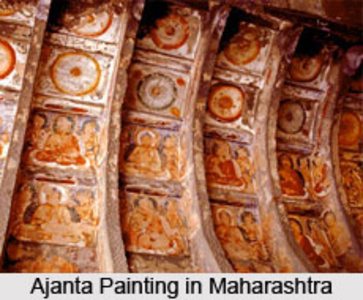
Moving forward in time, the Ajanta and Ellora Caves represent a golden age of Indian cave art, flourishing between the 2nd century BCE and the 10th century CE. The Ajanta Caves, renowned for their exquisite frescoes, were primarily developed during the early centuries of the Common Era. The paintings here are celebrated for their vibrant colors and intricate depictions of Buddhist Jataka tales, which illustrate the previous lives of the Buddha. The scenes capture moments of grace, wisdom, and moral teachings, showcasing a sophisticated understanding of narrative art.

In contrast, the Ellora Caves, which encompass a broader time frame from the 5th to the 10th century CE, present a blend of Hindu, Buddhist, and Jain artistic traditions. These caves are distinguished by their elaborate rock-cut temples and monasteries, with intricate carvings and frescoes that embody the spiritual and cultural diversity of the period. The Kailasa Temple at Ellora, a monumental single monolithic structure dedicated to Shiva, stands as a remarkable example of the era's architectural and artistic prowess.

Located in Karnataka, the Badami Caves date back to the 6th century CE and reflect the dynamic artistic influences of their time. The caves are a confluence of Hindu, Jain, and earlier Buddhist styles, showcasing a variety of artistic expressions.

The Elephanta Caves, situated on Elephanta Island near Mumbai, are famous for their grand sculptures and bas-reliefs, carved between the 5th and 8th centuries CE. The most renowned among these is the Trimurti, a colossal representation of the three-headed Shiva, which exemplifies the intricate iconography of Hindu art.

The preservation of Indian cave paintings is crucial for maintaining their historical and cultural value. Efforts by the Archaeological Survey of India (ASI) and other organizations focus on protecting these sites from environmental damage, vandalism, and neglect. Conservation strategies involve monitoring environmental conditions, controlling tourism, and employing scientific techniques to maintain the integrity of these ancient artworks.

Indian cave paintings are more than just historical artifacts; they are a vibrant testament to the artistic and cultural evolution of the subcontinent. From the early depictions at Bhimbetka to the sophisticated frescoes of Ajanta and the monumental sculptures of Elephanta, these artworks provide invaluable insights into ancient societies. As we continue to study and preserve these treasures, they offer enduring lessons about human creativity, spirituality, and cultural expression.


Tuesday, 20 August 2024

Unveiling Cave 2 of Badami: A Masterpiece of Early Indian Rock-Cut Architecture


Cave 2 of Badami, Karnataka, is a remarkable example of early Indian rock-cut architecture and stands as a testament to the artistic and religious fervor of the Chalukyan dynasty. Carved into the sandstone cliffs of the Badami region, this cave is an exceptional display of the craftsmanship and spiritual devotion of the 6th century CE.

The Chalukyan rulers were influential patrons of art and architecture, commissioning several significant rock-cut temples and caves that reflect the grandeur of their reign. Cave 2, along with its neighboring caves, provides crucial insights into the religious and artistic culture of the time.

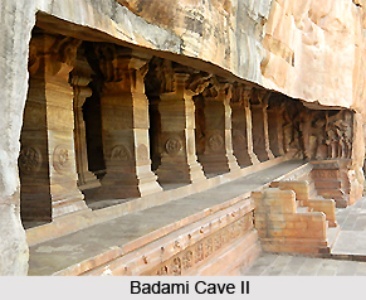
Cave 2, dedicated to Lord Vishnu, showcases a different architectural style compared to its contemporaries. The cave is distinguished by its elaborate carvings and intricate design, highlighting the transition from simpler cave temples to more elaborate and richly decorated structures. Unlike Cave 1, which is primarily dedicated to Shiva, Cave 2 focuses on Vishnu, one of the principal deities in Hinduism.

The cave features a spacious hall or mandapa, supported by a series of ornately carved columns. These columns are decorated with intricate motifs, and the walls are adorned with detailed sculptures of Vishnu in various forms. The cave’s layout includes a sanctum sanctorum, or garbhagriha, where the central deity is enshrined. The sanctum is notable for its large and striking image of Vishnu reclining on the serpent Ananta, a popular iconographic theme in Hindu art.

The artistry of Cave 2 reflects the Chalukyan craftsmen's skill and creativity. The carvings in the cave are characterized by their detailed execution and dynamic compositions. One of the most significant aspects of Cave 2 is the depiction of Vishnu in his various avatars, or incarnations, such as Varaha (the boar) and Vamana (the dwarf).

The use of space within Cave 2 is masterful, creating a sense of grandeur and serenity that enhances the spiritual experience. The detailed carvings and the arrangement of the columns and sanctum contribute to the overall harmony and balance of the cave’s interior.

Cave 2 holds significant cultural and religious importance as a site dedicated to Vishnu. It reflects the prominence of Vaishnavism, a major tradition within Hinduism that venerates Vishnu as the supreme deity. The cave’s artistic elements and iconography offer insights into the religious practices and beliefs of the time, illustrating the diverse devotional aspects of Hindu worship.

Today, Cave 2, along with the other caves in Badami, is protected as a heritage site, drawing historians, archaeologists, and tourists eager to explore its historical and artistic significance. Preservation efforts ensure that the cave’s intricate carvings and architectural features continue to be studied and appreciated by future generations.

In conclusion, Cave 2 of Badami is more than a historical site; it is a vibrant testament to the artistic and religious achievements of the Chalukyan dynasty. Its elaborate carvings, intricate design, and spiritual significance make it a cherished piece of India’s cultural heritage, offering valuable insights into the artistic and religious landscape of early medieval India.


Saturday, 17 August 2024

Ajanta Cave 19: A Treasure of Ancient Buddhist Art and Architecture


Ajanta Cave 19, a gem within the UNESCO World Heritage site of the Ajanta Caves in Maharashtra, India, is renowned for its exquisite artistry and architectural sophistication. Carved into the rugged cliffs of the Waghora River, this cave is a testament to the grandeur of ancient Buddhist monasticism and art. Among the 30 caves that form this historic complex, Cave 19 stands out for its impressive frescoes and intricate design, offering a vivid glimpse into the cultural and spiritual life of its creators.

Dating back to the 5th century CE, Ajanta Cave 19 is part of the second phase of Ajanta’s construction, attributed to the Vakataka dynasty. This period was marked by significant advancements in Buddhist art and architecture. Cave 19, like many of the other Ajanta Caves, was a vibrant center of monastic life and artistic expression, serving both as a vihara (monastic residence) and a space for religious instruction and meditation.

Cave 19 is a vihara, designed to accommodate a community of monks. Its architectural layout reflects the sophistication of its time, featuring a spacious prayer hall and a series of interconnected rooms. The cave’s design includes an assembly hall with a central nave flanked by smaller cells for monks. The central hall, or main assembly area, is marked by its high ceilings and supported by intricately carved pillars, showcasing the advanced stone-carving techniques of the era.

Cave 19 is celebrated for its stunning frescoes, which cover the walls and ceilings of the cave. The murals depict various scenes from the life of the Buddha, including episodes from his past lives and significant events in his spiritual journey. The frescoes are noted for their vivid color, dynamic compositions, and detailed representation of figures and motifs.

The most striking feature of Cave 19’s artwork is the depiction of the Bodhisattva Padmapani and Avalokiteshvara, prominent figures in Mahayana Buddhism. The frescoes of these Bodhisattvas are rendered with great finesse, showcasing their serene expressions and elaborate adornments. The murals also include scenes of celestial beings, intricate floral patterns, and narrative depictions of Jataka tales—stories illustrating the Buddha’s previous incarnations.

Cave 19 not only serves as an artistic marvel but also as an important center of Buddhist worship and education. The murals and sculptures provide insights into the religious practices and philosophical beliefs of the time. The detailed depictions of the Buddha’s life and the symbolic representations of various deities underscore the spiritual significance of the cave.

Cave 19, with its rich artistic heritage and historical significance, attracts scholars, historians, and tourists from around the globe. Its exquisite artwork and architectural brilliance make it a must-visit destination for anyone interested in exploring the depths of ancient Indian culture and Buddhist art.

Ajanta Cave 19 stands as a testament to the artistic and architectural splendor of ancient India. Its breathtaking frescoes, intricate carvings, and sophisticated design offer a window into the vibrant spiritual and cultural life of the time. For those seeking to explore the rich heritage of Buddhist art, Cave 19 remains an unparalleled example of India’s artistic legacy and spiritual depth.


Friday, 16 August 2024

Lomas Rishi Cave: An Early Testament to Buddhist Architecture


Nestled in the scenic hills of the Barabar Caves in Bihar, India, the Lomas Rishi Cave stands as one of the most significant early examples of Buddhist rock-cut architecture. Dating back to the 3rd century BCE, this cave is renowned for its historical and architectural importance, offering a glimpse into the early development of Buddhist monasticism and art in ancient India.

The Lomas Rishi Cave was carved during the reign of Emperor Ashoka, one of the most influential figures in Indian history. Ashoka's patronage of Buddhism and his efforts to spread its teachings played a crucial role in the development of Buddhist architecture and art. The cave is part of a larger group of rock-cut caves known as the Barabar Caves, which were commissioned by Ashoka and his successors as retreats for Buddhist monks.

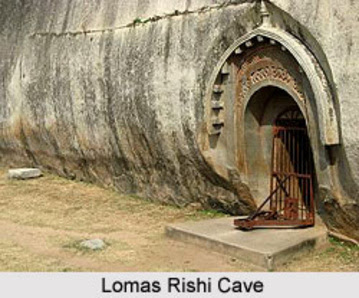
The Lomas Rishi Cave is a striking example of early rock-cut architecture. Unlike the more elaborate structures that would come later, the cave exhibits a relatively simple yet refined design that reflects the formative stage of Buddhist monastic architecture. The cave is carved into a large granite hill and features a semi-circular entrance with a horseshoe-shaped arch, which is an architectural innovation of the time. This entrance design is believed to symbolize the gateway to spiritual enlightenment.

One of the most notable aspects of the Lomas Rishi Cave is its art and decoration, which are sparse yet significant. The cave’s entrance is adorned with detailed carvings that showcase early Buddhist iconography and stylistic elements. The horseshoe-shaped arch, which is the primary decorative feature, is an excellent example of the influence of Mauryan art on early Buddhist architecture. The arch is embellished with simple, yet elegant patterns that reflect the aesthetic sensibilities of the time.

The Lomas Rishi Cave holds considerable religious and cultural significance. As one of the earliest examples of rock-cut Buddhist architecture, it provides valuable insights into the origins and development of Buddhist monastic life. The cave’s design and construction reflect the principles of early Buddhism, including simplicity and meditation-focused spaces.

Today, the Lomas Rishi Cave is a key site for historians, archaeologists, and tourists interested in early Buddhist architecture. Efforts to preserve and maintain the cave are ongoing, as it is an essential part of India’s rich cultural heritage. The cave’s historical and architectural value continues to attract visitors, who come to explore its serene environment and learn about its significance in the history of Buddhism.

The Lomas Rishi Cave stands as a remarkable early example of Buddhist rock-cut architecture, offering a window into the formative stages of Buddhist monasticism and art. Its simple yet refined design, coupled with its historical association with Emperor Ashoka, makes it a significant cultural and religious landmark. As a part of the Barabar Caves, the Lomas Rishi Cave continues to inspire awe and admiration, serving as a lasting reminder of the early development of Buddhist architecture and its enduring legacy.

Top of Form

Bottom of Form


Wednesday, 14 August 2024

Unveiling the History of Mandapeshwar Caves


Situated in the bustling suburb of Borivali in Mumbai, India, the Mandapeshwar Caves are a fascinating relic of ancient Indian history and architecture. These rock-cut caves, dating back to the early centuries AD, offer a remarkable glimpse into the religious and cultural milieu of the region during the period of their creation.

The Mandapeshwar Caves are located in the Borivali area of Mumbai, a region known for its dense population and urban development. Despite the surrounding modernity, the caves provide a stark contrast, showcasing a serene environment with lush greenery and a sense of timelessness. The caves are primarily composed of two groups: the Buddhist and the Hindu rock-cut temples, reflecting the diverse religious practices that flourished in ancient India.

The Mandapeshwar Caves are renowned for their intricate rock-cut architecture. The caves are hewn out of basalt rock and are classified into several types based on their use and design. The Buddhist caves, also known as the Kanheri Caves, exhibit the early phase of rock-cut architecture in India. These caves are characterized by their simple yet functional design, including prayer halls, chaitya halls, and viharas (monastic cells).

The Hindu caves, on the other hand, reflect a more evolved architectural style. They feature intricate carvings and sculptures that are characteristic of Hindu rock-cut temples. The most prominent of these is the Mandapeshwar Cave Temple, which is dedicated to Lord Shiva. This cave temple is renowned for its beautiful carvings and the large, central Shiva Linga (aniconic representation of Shiva). The temple’s design incorporates elements of the Dravidian style, which was prevalent in South India and shows the spread of Hindu architectural influences.

The Mandapeshwar Caves are a testament to the changing religious landscape of ancient India. Initially constructed as Buddhist monasteries, the caves were later adapted for Hindu worship, reflecting the shift in religious dominance over time. This transition is significant as it illustrates the fluid nature of religious practices and the ability of sacred spaces to accommodate different beliefs.

The adaptation of the caves for Hindu worship also signifies the integration of local traditions and practices into broader religious frameworks. This syncretism is evident in the blend of architectural styles and religious iconography found within the caves.

In recent years, the Mandapeshwar Caves have garnered attention from historians, archaeologists, and tourists interested in India’s rich cultural heritage. The Maharashtra State Archaeological Department oversees the preservation of the caves, ensuring that they remain protected amidst the encroaching urban development. Efforts are also made to promote awareness and educate visitors about the historical and cultural significance of the caves.

The Mandapeshwar Caves stand as a testament to Mumbai's ancient history and the rich tapestry of religious and cultural practices that have shaped the region. Their rock-cut architecture, historical significance, and religious transitions offer a valuable window into India’s past. As both a historical site and a place of worship, the Mandapeshwar Caves continue to captivate and inspire those who seek to understand the depth of India's ancient heritage.


Tuesday, 13 August 2024

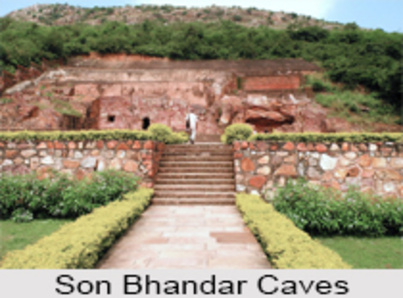
Unveiling the Mysteries of Son Bhandar Caves


Nestled in the verdant hills of Bihar, India, the Son Bhandar Caves stand as a testament to the region’s rich historical and cultural tapestry. These ancient rock-cut caves, located near the village of Son Bhandar in the Nalanda district, have long intrigued scholars, historians, and travelers alike with their enigmatic carvings and inscriptions.

The Son Bhandar Caves are divided into two distinct groups: the upper and lower caves. The upper caves, often referred to as the "Son Bhandar Upper Cave," date back to the 3rd century BCE. They are believed to have been created during the reign of Emperor Ashoka, a prominent figure in Indian history known for his promotion of Buddhism and the construction of numerous stupas and monasteries across the Indian subcontinent.

The architectural style of the Son Bhandar Caves reflects the blend of early Buddhist and Hindu influences. The caves are hewn from solid rock, a technique that showcases the advanced engineering skills of their creators. The upper cave features a plain façade with a simple entrance, while the lower cave is more elaborately designed, with intricate carvings and inscriptions that offer a glimpse into the artistic sensibilities of the time.

One of the most striking features of the Son Bhandar Caves is their rock-cut sculptures. The lower cave houses a large, impressive sculpture of the Buddha, which is a remarkable example of early Buddhist art.

The caves are not only significant for their architectural and artistic features but also for the inscriptions that adorn their walls. These inscriptions, written in Brahmi script, provide valuable information about the history and patronage of the caves. They include references to donations and the names of individuals who contributed to the construction and maintenance of the caves.

In recent years, efforts have been made to preserve and promote the Son Bhandar Caves as a cultural and historical site. The Archaeological Survey of India (ASI) has undertaken conservation projects to safeguard the caves from natural erosion and human damage. However, the site still faces challenges related to tourism management and environmental degradation.

For visitors, the Son Bhandar Caves offer a fascinating glimpse into India’s ancient past. The journey to the caves, set against the backdrop of lush greenery and rolling hills, is an experience that combines natural beauty with historical exploration. As tourism grows, it is essential to balance the need for preservation with the desire to share this remarkable heritage with the world.

The Son Bhandar Caves are more than just ancient rock-cut structures; they are a window into a bygone era of Indian history. Their historical significance, architectural grandeur, and the legends surrounding them make them a captivating destination for anyone interested in exploring the depths of India’s cultural and historical heritage. As we continue to unravel the mysteries of the past, the Son Bhandar Caves remain a crucial piece of the puzzle, offering insights into the artistic, religious, and historical developments of ancient India.