Showing posts with label kingdom. Show all posts

Tuesday, 23 July 2024

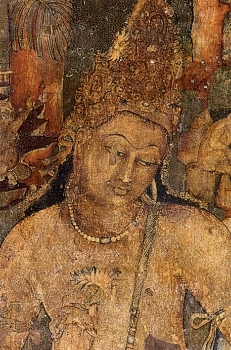
Pravarasena I: The Illustrious Ruler of the Vakataka Dynasty


Pravarasena I, a pivotal figure in the history of ancient India, reigned over the Vakataka dynasty from approximately 270 to 330 CE. His tenure marked a significant period of prosperity and cultural flourishing in the Deccan region, leaving a lasting impact on political dynamics, artistic achievements, and religious patronage.

Pravarasena I ascended to the throne during a tumultuous period when the Vakataka dynasty was consolidating its power in central India. Little is known about his early life, but his accession to power marked a turning point for the dynasty, propelling it into a phase of unprecedented growth and influence.

Pravarasena I was renowned for his military prowess, expanding the territorial boundaries of the Vakataka kingdom through strategic alliances and conquests. His campaigns extended the influence of the dynasty across significant parts of central India, including present-day Maharashtra and Madhya Pradesh.

Pravarasena I was a notable patron of art and architecture, fostering a flourishing cultural environment within his kingdom. He commissioned numerous temples and monuments, many of which exemplify the architectural style characteristic of the Vakataka period.

Pravarasena I's reign witnessed the flourishing of religious diversity, with significant support extended to both Hindu and Buddhist communities. His patronage of Buddhism is particularly notable, evidenced by the construction and embellishment of Buddhist viharas and stupas.

Pravarasena I's legacy endures as a testament to his vision and leadership, shaping the socio-cultural fabric of ancient India in profound ways:

Political Stability: His astute governance and military acumen contributed to a period of relative stability and prosperity for the Vakataka kingdom, enabling it to thrive amidst regional rivalries and external pressures.

Cultural Renaissance: The patronage of art, literature, and architecture under Pravarasena I catalyzed a cultural renaissance, leaving behind a rich legacy of artistic achievements that continue to inspire scholars and enthusiasts alike.

Historical Context: His reign provides valuable insights into the political dynamics and socio-economic conditions prevailing in ancient India during the 4th century CE, highlighting the interplay between regional powers and the emergence of distinctive cultural identities.

In conclusion, Pravarasena I stands as a towering figure in the annals of Indian history, revered for his military prowess, cultural patronage, and visionary leadership. His contributions to the Vakataka dynasty and the broader cultural landscape of ancient India underscore his enduring significance as a catalyst for political stability and cultural flourishing. Through his legacy, Pravarasena I continues to be celebrated as a beacon of India's rich historical tapestry, illuminating the path for future generations to explore and cherish.


Tuesday, 9 July 2024

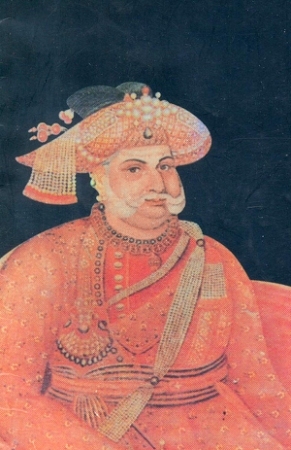
Serfoji I: Pioneering Leadership in Thanjavur


Serfoji I, also known as Sevappa Nayaka, was a prominent ruler of the Maratha Kingdom in the 18th century, known for his military prowess, diplomatic skills, and contributions to the cultural and economic development of his kingdom. Let's explore the history, origin, and legacy of this influential monarch.

Serfoji I was born in 1675 into the Bhonsle family, a Maratha dynasty that ruled over the kingdom of Thanjavur in present-day Tamil Nadu, India. He ascended to the throne in 1712 after a period of political turmoil and instability in the region. Serfoji I was a skilled military leader and strategist, known for his campaigns to expand the territory of the Maratha Kingdom and protect it from external threats.

One of Serfoji I's most significant achievements was his successful military campaigns against rival powers in the region, which expanded the boundaries of the Maratha Kingdom and secured its position as a powerful state in southern India. He also forged diplomatic alliances with neighboring kingdoms, strengthening the Maratha influence in the region and ensuring peace and stability for his subjects.

Serfoji I was not only a successful warrior but also a patron of the arts, literature, and culture. He was known for his support of poets, scholars, and artists, and he played a key role in the promotion of Tamil literature and classical music in his kingdom. Serfoji I's court was a center of learning and creativity, attracting talented individuals from across the region and fostering a vibrant cultural environment.

In addition to his military and cultural achievements, Serfoji I was also known for his administrative reforms and economic policies. He implemented land revenue systems that were fair and efficient, contributing to the prosperity of his kingdom and the well-being of his subjects. Serfoji I's reign saw the growth of trade and commerce, as well as the development of agriculture and infrastructure in Thanjavur.

Despite his many accomplishments, Serfoji I faced challenges during his reign, including internal revolts and external threats from rival powers. However, his leadership and strategic acumen allowed him to navigate these challenges successfully, ensuring the stability and security of the Maratha Kingdom during his rule.

Serfoji I's legacy lives on through the institutions and structures he established during his reign. He laid the foundation for the cultural and economic prosperity of Thanjavur, and his contributions to Tamil literature and music continue to be celebrated to this day. Serfoji I is remembered as a visionary ruler who combined military strength with intellectual pursuits, leaving a lasting impact on the history and culture of southern India.

In conclusion, Serfoji I was a dynamic and influential monarch who played a pivotal role in shaping the history of the Maratha Kingdom in southern India. His military achievements, cultural patronage, and administrative reforms set the stage for the flourishing of art, literature, and commerce in Thanjavur. Serfoji I's legacy as a warrior king and a patron of the arts continues to inspire admiration and respect, making him a revered figure in the annals of Indian history.


Friday, 5 July 2024

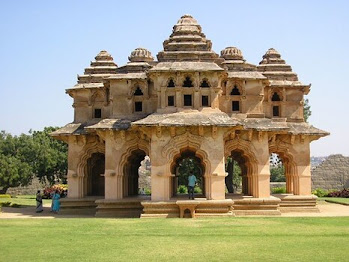
The Aravidu Dynasty: Legacy of South Indian Royalty


The Aravidu Dynasty, also known as the Aravidu family, was a prominent ruling dynasty in the southern Indian region of Vijayanagara. Originating from the Bahmani Sultanate, the Aravidu rulers held power during a critical period in the history of the Vijayanagara Empire, navigating through political turmoil and external threats. The dynasty's legacy is marked by both achievements and challenges, leaving a lasting impact on the region's historical narrative.

The history of the Aravidu Dynasty can be traced back to the early 16th century when the Bahmani Sultanate broke apart, leading to the emergence of various successor states, including the Vijayanagara Empire. The Aravidu family rose to prominence during this period, with their first notable ruler being Narasa Nayaka, who ascended the throne in 1542.

Under the leadership of the Aravidu rulers, the Vijayanagara Empire faced numerous challenges, including conflicts with neighboring kingdoms, internal unrest, and the threat of European colonial powers. Despite these adversities, the Aravidu Dynasty made significant contributions to the cultural and architectural landscape of the empire, promoting arts, literature, and religious patronage.

One of the most renowned rulers of the Aravidu Dynasty was Rama Raya, who is often regarded as a pivotal figure in Vijayanagara history. Rama Raya's reign marked a period of prosperity and expansion for the empire, as he successfully maintained diplomatic relations with regional powers and extended Vijayanagara's influence across South India.

However, the fortunes of the Aravidu Dynasty took a downturn with the catastrophic Battle of Talikota in 1565, where the combined forces of the Deccan Sultanates defeated and decimated the Vijayanagara army. Rama Raya's death in the battle served as a turning point for the dynasty, leading to a period of decline and fragmentation within the empire.

Following the defeat at Talikota, the Aravidu rulers faced internal power struggles and external invasions, leading to the eventual disintegration of the Vijayanagara Empire. Despite efforts to revive the glory of the dynasty, subsequent rulers struggled to maintain control and stability in the region, ultimately paving the way for the emergence of successor states and the decline of Vijayanagara's influence.

The legacy of the Aravidu Dynasty remains a significant chapter in the history of South India, reflecting the complexities of power, politics, and cultural exchange during a tumultuous era. The dynasty's contributions to art, architecture, and literature continue to be revered, with numerous monuments and structures bearing witness to their patronage and influence.

In conclusion, the Aravidu Dynasty stands as a testament to the ebb and flow of power in the rich tapestry of Indian history. Their rulers navigated through periods of prosperity and adversity, leaving a lasting imprint on the cultural and political landscape of Vijayanagara. The legacy of the Aravidu Dynasty serves as a reminder of the intricate interplay of dynastic rule, regional dynamics, and historical forces that shape the narrative of South India.