Showing posts with label art. Show all posts

Thursday, 20 March 2025

The Heritage of Dancing in India: A Timeless Tradition

The heritage of dancing in India is steeped in a history that spans at least 5,000 years. From prehistoric times, dance has served as a powerful mode of expression, transcending mere performance to become a vital component of spiritual and cultural life. Rooted in ancient traditions, dance has consistently been a vehicle for worship and the manifestation of both divine and human emotions.

Hindu mythology intricately weaves dance into the narratives of various deities. Notably, Lord Shiva is often depicted as Nataraja, the divine dancer, symbolizing the cosmic cycles of creation and destruction. His dance encompasses joy, ecstasy, and even rage, illustrating the complex emotions that dance can convey. Similarly, Lord Krishna's Rasa Lila, a dance that signifies divine love and joy, has evolved into a distinct dance form celebrated in contemporary culture.

The aesthetic breadth of Indian dance is meticulously detailed in the ancient text, Natyashastra, authored by Bharata Muni. This foundational treatise outlines the principles of performance, theory, and the emotional expressions that underpin dance, emphasizing its role as both an art form and a medium of communication.

Throughout history, dance in ancient India developed predominantly from religious themes, with many forms deeply rooted in rich mythological lore. Styles such as Bharatanatyam, Kathak, Odissi, and Kathakali emerged, each offering unique representations of stories, emotions, and spiritual beliefs.

In contemporary Indian society, dance continues to flourish, transcending cultural boundaries and adapting to modern sensibilities while retaining its sacred roots. It stands as a testament to the resilience of Indian culture, enriching the social fabric and offering a glimpse into the rich tapestry of human expression. This enduring legacy highlights the profound connection between dance, art, history, and society in India, inviting future generations to celebrate and preserve this invaluable heritage.

Thursday, 13 March 2025

The Rich Cultural Heritage of Tribal Jewellery in India


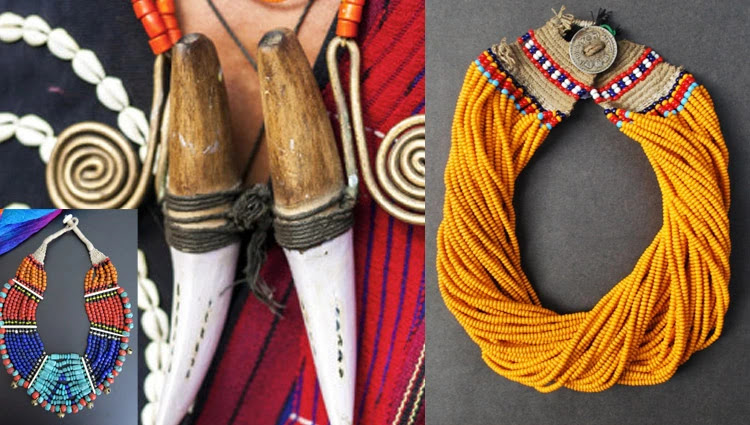
Tribal jewellery in India showcases a rich tapestry of tradition and artistic expression, with each tribe maintaining its unique style and significance. From the remote mountains to the vibrant plains, tribal jewellery varies by region, occasion, and age. This diversity is especially evident in western India, where chunky jewellery pieces are cherished for their beauty and ability to enhance the wearer’s features. Crafted from natural materials such as bone, wood, clay, shells, and crude metals, these ornaments carry a rustic charm that reflects the close relationship tribal communities have with nature.

Tribal Jewellery of Gujarat

Gujarat stands out for its distinctive approach to ornamentation. Here, tribal women often adorn themselves with heavy armlets, an emblem of their cultural identity. While armlets are also common in Rajasthan, in Gujarat, they symbolize a communal belief that an ornament's beauty must be displayed in its entirety. The Kunbi women, in particular, embrace this philosophy, donning a multitude of intricate pieces that serve to highlight their vibrant spirit and social status.

Tribal Jewellery of Maharashtra

Contrasting with Gujarat, Maharashtra showcases a dynamic evolution in tribal jewellery design. Here, traditional adornments have adapted over time, incorporating materials like flowers, leaves, and local stones, which create a charming aesthetic. The use of shells, seeds, and berries is particularly celebrated, adding to the organic allure of their jewellery. This reflects the tribal women’s deep connection to their environment and their creative expression, as they design pieces that resonate with the beauty of their surroundings.

In summary, India’s tribal jewellery is not only a visual delight but also a testament to the cultural richness and heritage of its various tribes. Each piece tells a story, carrying forward traditions that celebrate life, community, and nature.

Wednesday, 12 March 2025

The Craze for Handcrafted Jewellery in India


In recent years, the allure of handcrafted jewellery has surged across various sections of society in India. This trend is fueled not only by the aesthetic appeal of such ornaments but also by the intricate artistry and painstaking efforts invested by skilled craftsmen in creating each piece. Handcrafted jewellery stands out for its unique designs, cultural significance, and the personal touch that mass-produced items often lack.

1. Bead Jewellery:

Dating back over 5,000 years to the Indus Valley civilization, bead jewellery is one of the oldest forms of adornment in India. Crafted from materials like gold, copper, silver, clay, ivory, and wood, these beads reflect the rich heritage and artistic traditions of ancient artisans.

2. Filigree Jewellery:

Primarily made from silver, filigree jewellery involves delicate wirework that requires immense skill and patience. The complexity of its designs showcases the craftsmanship involved, making each piece a work of art that reflects both tradition and meticulous attention to detail.

3. Ivory Jewellery:

Introduced to India by the Mughals, ivory jewellery is known for its exquisite engraving and intricate artistry. Crafted from elephant tusks, these pieces highlight the delicate beauty that can be achieved with skilled craftsmanship. However, due to ethical concerns surrounding ivory, many artisans now focus on sustainable alternatives.

4. Quill Jewellery:

Colorful and intricate, quill jewellery utilizes strips of paper rolled and shaped to form beautiful designs. This modern art form brings freshness to handmade ornaments, appealing to younger generations intrigued by vibrant and unique accessories.

5. Tribal Jewellery:

Rich in diversity, tribal jewellery reflects the varied cultural heritage of India’s tribes. Often made from wood, bone, clay, crude metals, and shells, each piece tells a story of its origin, enhancing its rustic charm and individuality.

The availability of such diverse handcrafted jewellery provides endless choices for those looking to enhance their personal style. By embracing these traditional crafts, individuals not only elevate their fashion sense but also celebrate the rich cultural heritage of India.

Tuesday, 11 March 2025

The Diverse and Vibrant World of Tribal Jewellery in India

India's tribal jewellery is a captivating reflection of the country's diverse cultures and traditions. Characterized by its unique artistry and use of locally sourced materials like lac, glass, shells, and beads, these ornaments are far from uniform, adding to their charm and appeal. From the silver-rich regions of Kashmir, Himachal Pradesh, Gujarat, and Rajasthan to the tribal heartlands of northern India, the artistry is as varied as the communities themselves. Often made with silver or a silver-like alloy called pewter, tribal jewellery is an accessible art form, celebrated for its raw beauty and cultural significance.

Himachal Pradesh: The tribal jewellery of Himachal Pradesh showcases the region's exquisite silver craftsmanship. Pahari women cherish coin jewellery and pieces adorned with glass and beads, making tribal jewellery a distinct symbol of the state's cultural identity.

Kashmir: In Kashmir, the striking silver necklaces stand out, featuring large central pendants with intricate embossed designs. These necklaces often include cylindrical silver amulet boxes, each displaying unique and detailed decorations.

Ladakh: The women of Ladakh are known for their distinctive headgear called "Perak." This ornament, shaped like a cobra's hood, is embellished with semi-precious turquoise stones and tapers into a tail that extends down the back. Ladakhi tribal jewellery commonly incorporates amber, coral, turquoise, and tiny seed pearls, fashioned into beautiful necklaces and earrings.

Rajasthan: The tribal jewellery of Rajasthan features high-grade silver pendants with beautifully embossed designs. These pendants, often hung on black cotton cords, are a testament to the region's rich artistic heritage.

Tribal jewellery is more than just adornment; it represents a community's heritage, artistic skill, and cultural identity. Its irregularities and unique designs have not only made it a part of heritage but also a celebrated element in contemporary fashion.

Monday, 10 March 2025

South Indian Wedding Jewellery: A Tapestry of Tradition, Art, and Cultural Fusion

South Indian wedding jewellery stands as a testament to the region's rich artistic heritage and cultural traditions. Foremost is the thali, a bridal necklace adorned with auspicious emblems, globally recognized for its exquisite design. These necklaces exemplify the unique character of South Indian jewellery while also showcasing how external influences have shaped its evolution.

The intricate swami work, with its high-relief detailing on pendants, gained popularity in the late 19th century European market, originating from the repose details found in South Indian wedding jewellery. This demonstrates the global appeal and influence of South Indian craftsmanship

Royal jewellery, worn during marriages, was also subject to external cultural and formal influences. Eighteenth-century wall paintings in a Thanjavur temple in Tamil Nadu depict historical events and scenes from the king's life, revealing the distinctive wedding jewellery of that era.

These paintings offer a glimpse into the contemporary Thanjavur jewellery and artifacts, highlighting surprising Mughal influences. The king is portrayed in Mughal attire and turban, complete with turban jewels, in certain scenes, including a coronation. European influences are evident as well, with panels depicting Europeans seated before the king.

South Indian wedding jewellery, therefore, represents a fusion of tradition, art, and cultural exchange. It reflects the region's ability to preserve its unique identity while embracing external influences, resulting in a captivating blend of styles and designs.

Thursday, 6 March 2025

The Turban Jewel: A Glimpse into Murshidabad's Courtly Splendor

The Turban Jewel, a breathtaking example of enamelled gold meticulously set with diamonds, rubies, emeralds, a sapphire, and a pendant pearl, offers a fascinating window into the art, culture, and traditions of 18th-century Bengal. Originating from Murshidabad, these jewels were presented to Admiral Charles Watson by the Nawab of Bengal on July 26th, 1757, after the pivotal Battle of Plassey.

This piece is emblematic of the Murshidabad court's fashion during that era. Paintings, such as those depicting Aliverdi Khan with his grandson Siraj-ud-Daula (circa 1750-55), reveal that both figures adorned themselves with turban jewels of identical design. This suggests a deeply ingrained tradition of wearing such ornaments as symbols of status and power.

The Sarpech, also known as an aigrette, is a significant turban ornament with roots in early and medieval India. Worn by both Hindu and Muslim princes, the Sarpech held a prominent place in royal attire. The name itself, derived from the Persian words "Sar" (head/front) and "pech" (screw), literally signifies that which is affixed to the front of the turban. Known by various names across Persia (Jikka/Jiqa) and Turkey (Sorguch), the Sarpech, alongside the Kalgi, represents one of the two dominant forms of turban ornaments in India. The turban jewel, therefore, is more than just a beautiful object; it is a tangible representation of a rich cultural heritage and the artistic achievements of a bygone era.

Wednesday, 5 March 2025

Tribal Jewellery of Central India: A Celebration of Art, Culture, and Tradition

Central India's tribal jewellery is renowned throughout India for its exquisite designs, reflecting the rich cultural heritage and artistic traditions of the region. The women of the Malwa, Nimar, and Bastar regions, draped in simple cotton sarees, adorn themselves with intricate necklaces, bangles, heavy silver anklets, and toe rings, showcasing the glory of tribal artistry. Ornamentation is not limited to women; men also participate in this vibrant tradition.

The jewellery is crafted from a variety of materials, including silver, beads, cowries, metals, and feathers, each piece telling a story of the tribe's unique identity and beliefs. Tikamgarh, Jhabua, and Sheopur Kalan are the primary centers where these exquisite pieces are created, with the art passed down through generations, preserving the ancestral skills and techniques within families.

Tribal jewellery is more than just adornment; it is an integral part of the tribal way of life, symbolizing social status, marital status, and religious beliefs. The designs often draw inspiration from nature, with motifs of animals, plants, and celestial bodies reflecting the deep connection between the tribes and their environment. Each piece is a testament to the creativity and craftsmanship of the tribal artisans, who pour their heart and soul into creating these stunning works of art.

The popularity of Central India's tribal jewellery extends beyond the region, with collectors and enthusiasts appreciating the unique beauty and cultural significance of these handcrafted treasures. By preserving and promoting this art form, we not only celebrate the rich heritage of Central India but also empower the tribal communities who continue to keep this tradition alive.

Tuesday, 4 March 2025

Tribal Jewellery of Jammu and Kashmir: A Cultural Treasure

Jammu and Kashmir is renowned for its rich tapestry of culture and tradition, and its tribal jewellery is a significant aspect of this heritage. Crafted predominantly from gold, silver, and various stones, the jewellery reflects the region's artistic excellence and cultural identity. Over the years, artisans have embraced innovation, creating unique pieces that seamlessly blend traditional craftsmanship with contemporary designs, resulting in a vibrant and diverse array of jewellery.

One of the most iconic pieces worn by both tribal men and women in Jammu and Kashmir is the circular earring known as kundalas. These earrings not only serve as adornments but also as symbols of status and identity within tribal communities. The craftsmanship involved in creating kundalas showcases intricate designs that often incorporate traditional motifs, highlighting the region’s deep-rooted artistic traditions.

Another cherished piece of jewellery among women is the Nupura, a type of large anklet. Nupuras are often richly decorated and are worn during festivals and special occasions, embodying the grace and elegance of Kashmiri women. Their sound enhances the festive atmosphere, as they jingle with every step, celebrating the vibrant community spirit.

The jewellery of Jammu and Kashmir is much more than mere decoration; it is a reflection of the state’s cultural ethos. Each piece of jewellery tells a story, connecting the wearer to their ancestors and the rich traditions that have been passed down through generations. With a dedication to craftsmanship and a willingness to adapt to modern trends, the tribal jewellery of Jammu and Kashmir stands as a testament to the region's artistic heritage and cultural pride, making it a vital part of their identity in today's world.

Monday, 3 March 2025

The Allure of Tribal Jewellery in Gujarat

Gujarat, a vibrant state in western India, is renowned for its rich cultural heritage and artistic traditions, particularly in tribal jewellery. This ancient craft has roots that trace back to the bustling port of Broach, situated on the Cambay Gulf. Broach was a pivotal trading hub from around 90 AD, connecting India to major civilizations such as China, Greece, Portugal, and Persia. This strategic location facilitated the exchange of not just goods but also artistic influences, shaping the evolution of jewellery in the region.

The tribal jewellery of Gujarat is a reflection of its diverse cultures and communities. Crafted primarily by skilled artisans, these pieces often incorporate materials like silver, gold, and semi-precious stones, showcasing intricate designs that tell stories of tradition and identity. Among the most distinctive accessories worn by Gujarati women is the key bunch, typically made of silver, which symbolizes both functionality and artistry.

Jewellery such as the mangal sutra, earrings, necklaces, rings, and bangles are integral to the daily attire of Gujarati women, often worn during festivals and special occasions. Each piece is not merely decorative but carries cultural significance, representing marital status, social standing, and community affiliation.

The legacy of Gujarat as a trading center has also fostered a thriving diamond-cutting industry, particularly in cities like Surat and Ahmedabad. Here, around 800,000 workers contribute to 80-90% of the world's diamond production, blending traditional craftsmanship with modern techniques.

In essence, the tribal jewellery of Gujarat is more than just adornment; it is a celebration of the region's rich history, cultural diversity, and artisanal skill. As both locals and international visitors are drawn to these exquisite creations, the art of tribal jewellery continues to thrive, preserving the heritage of Gujarat for generations to come.

Saturday, 1 March 2025

Tribal Jewellery of East Indian States: A Unique Signature Style in India

Tribal jewellery from the East Indian states is rapidly gaining recognition for its distinctiveness and cultural significance. Each tribe in this region embodies its own rich traditions and values, which are beautifully reflected in their jewelry making practices. This art form utilizes locally available materials such as wood, shells, bones, clay, and crude metals, showcasing sustainable craftsmanship while honoring ancestral techniques.

Indian tribal jewellery is celebrated as one of the most unique forms of ethnic art in the country. Its rustic aesthetic, characterized by bold designs and vibrant colors, captures the essence of tribal culture. The textures and tones of the materials not only provide a visual appeal but also carry deep meanings, often symbolizing the identity and heritage of the tribes.

Among the myriad of jewellery pieces crafted by these tribes, one can find elaborate rings, striking necklaces, ornate earrings, and sturdy bangles, alongside body adornments like belts and anklets. The heaviness and rawness of these adornments are often reflective of the wearer's social status and connection to tradition. Each piece tells a story, often connected to rituals, festivals, or daily life, making tribal jewellery a living testament to the culture it represents.

The rising demand for East Indian tribal jewellery is indicative of a larger trend where consumers seek authenticity and craftsmanship. As more people embrace these unique designs, the jewellery not only maintains its traditional significance but also gains a modern appeal, connecting the past with contemporary fashion. This evolving landscape highlights the resilience of tribal communities, ensuring their art and culture thrives while enriching the broader tapestry of Indian heritage.

Friday, 28 February 2025

The Evolution of Indian Jewellery: A Cultural Legacy

The history of Indian jewellery spans over 5,000 to 8,000 years, showcasing a rich tapestry of cultural influences and artistic expressions. From the ancient times of the Ramayana and Mahabharata to the modern-day, Indian jewellery has undergone significant transformations, inspiring contemporary designers to create unique and intricate styles.

India is renowned for its ancient legacy of jewellery crafting, which can be traced back to the Indus Valley Civilization (circa 2500-1500 BC). This civilization, located in present-day Pakistan and northwestern India, produced remarkable jewellery pieces, including metallic bangles, bead necklaces, and gold earrings. The affinity for ornamentation was evident in the statues and artifacts of the time, reflecting a society that valued beauty and craftsmanship.

The earliest forms of jewellery in India were predominantly made from beads and natural materials. Prior to 2100 BC, beads were the primary adornments, crafted using simple techniques that highlighted the artisans’ creativity. As metallurgy advanced, gold and silver began to dominate the jewellery landscape, leading to the creation of exquisite pieces adorned with intricate designs and Persian motifs.

Throughout history, jewellery has been more than mere decoration; it has served as a symbol of wealth, status, and cultural identity. The diversity of styles across different regions and dynasties showcases the rich traditions and artistic innovations that have influenced modern jewellery design. For instance, the use of filigree work, enameling, and gemstone setting can be traced back to ancient practices, now reimagined by contemporary artisans.

Today, Indian jewellery continues to inspire designers worldwide, blending traditional techniques with modern aesthetics. This enduring legacy not only celebrates India’s rich cultural heritage but also fosters a vibrant industry that thrives on creativity and craftsmanship, ensuring that the art of jewellery making remains an integral part of Indian culture.

Tuesday, 25 February 2025

Tribal Jewellery of Andhra Pradesh: A Cultural Treasure

Tribal jewellery holds a vital place in the lives of women in Andhra Pradesh, reflecting the rich cultural heritage and artistic traditions of the region. India is renowned as a top exporter of jewellery, and the tribal adornments from Andhra Pradesh are no exception, celebrated worldwide for their intricate designs inspired by nature—flowers, leaves, creepers, and fruits. Artisans skillfully blend metal and wood to create exquisite pieces that are not just fashionable but also steeped in cultural significance.

In many tribal communities, jewellery serves as both a decorative element and a symbol of security and investment. This is particularly evident in nomadic and migrant tribes, where adornments can signify wealth and heritage. Notably, silver plays a predominant role in the jewellery of these tribes, with artisans producing stunning silver pieces that embody pride and honour. In areas like Papanaidupet, Chittoor, local artists craft vibrant glass bangles and beads, demonstrating the region’s commitment to craftsmanship.

Influenced by Mughal traditions, the jewellery of Andhra Pradesh often features elegant designs, including gold-covered pieces made from an alloy of silver, brass, and copper. Common adornments include bangles, necklaces, earrings, and hairpins, with a shift over time from traditional lac jewellery to innovations incorporating synthetic stones, glass rings, and mirrors.

Among the vibrant tribal communities, the Banjara tribe stands out with their unique coin necklaces and ornate belts embellished with shells and beads. Furthermore, the Bidri craft, known for its black metal inlaid with silver, is another hallmark of Andhra Pradesh's heritage, showcasing the rich artisanal skills passed down through generations.

In essence, the tribal jewellery of Andhra Pradesh is not merely decorative; it embodies a profound connection to culture, tradition, and artistry, making it an everlasting treasure of India.

Monday, 24 February 2025

Jewellery in the Mughal Period: A Reflection of Art and Culture

The Mughal period, beginning in the 16th century, marked a golden era for jewellery making in India, characterized by an exquisite array of ornaments that included necklaces, rings, earrings, and an assortment of items crafted from precious stones and gems. The Mughal treasury was renowned for its wealth, making jewellery not only a symbol of personal adornment but also a marker of social status and power. The opulence of Mughal jewellery reflected the grandeur of the empire, where wearing elaborate pieces signified one's position within the court and society.

The artistry of Mughal jewellery was deeply influenced by a blend of traditional Islamic and indigenous Indian styles. This fusion resulted in unique designs that showcased the skill and creativity of artisans across various regions. Excavated artefacts reveal the adaptability of these styles, highlighting a rich tapestry of cultural exchange. The influence of earlier Islamic powers, such as the Ghaznavids and Ghurids, further enriched this tradition, culminating in a distinctive Mughal aesthetic that celebrated both heritage and innovation.

Craftsmanship during the Mughal era was not merely a trade; it was an esteemed art form. Skilled artisans employed techniques such as enameling, intricate filigree work, and the use of vibrant gemstones like diamonds, rubies, and emeralds. This dedication to fine craftsmanship was supported by a wealthy class of patrons who valued artistic expression and cultural heritage.

In conclusion, Mughal jewellery stands as a testament to the era's artistic brilliance and cultural richness. It encapsulates the confluence of various influences, traditions, and the high regard for craftsmanship that defined a significant chapter in India's history. The legacy of Mughal jewellery continues to inspire contemporary designs, reflecting the enduring impact of this opulent period.

Friday, 21 February 2025

Tribal Jewellery in Bihar: A Reflection of Culture and Tradition

Tribal jewellery in Bihar is a unique expression of craftsmanship, deeply rooted in the region's cultural heritage. Made primarily from natural resources, such as bell metals and brass, this jewellery reflects the ethnic diversity of India. The intricate designs and exclusive materials make these adornments highly sought after.

The Santhal tribe, one of the prominent tribal communities in Bihar, showcases a variety of jewellery that has gained national fame. Among their creations, subtle earrings crafted in filigree, embellished with diverse motifs, stand out. This delicate art form combines both aesthetics and cultural significance, preserving traditional techniques passed down through generations.

In an age dominated by technology, the tribal artisans continue to embrace nature, using wild grass to create beautiful ornaments like necklaces and armlets. They often incorporate berries, leaves, and flowers, emphasizing sustainability and the bounty of the environment. This practice not only showcases their creativity but also their deep connection to the land.

Women in these communities adorn themselves with a range of jewellery that signifies both beauty and identity. The Kardhani, a decorative waist chain, along with Chudha bangles, are key pieces in their adornment. Additionally, the tikuli, an exquisite forehead decoration made from superior glass and finished with thin layers of gold or silver, adds to the charm of traditional attire.

Silver jewellery featuring kundan work and the trendy jhumkis, or long hanging earrings, are equally popular among these tribal women, merging modern and traditional styles effortlessly.

The tribal jewellery of Bihar stands as a testament to the rich cultural tapestry of India, where art, tradition, and nature intertwine to create timeless pieces that celebrate the essence of tribal life.

Thursday, 20 February 2025

The Tribal Jewellery of Chhattisgarh: Crafting Culture and Tradition

Tribal jewellery from Chhattisgarh is not only cherished within the state but has gained popularity across India for its unique aesthetic appeal and cultural significance. This rich tradition is deeply rooted in the lives of the tribal communities, with both men and women adorning themselves with these exquisite ornaments. Interestingly, during festivals and celebrations, men often wear more elaborate jewellery than women, showcasing their status and identity within the community.

The craftsmanship involved in creating these ornaments is remarkable. Traditionally, tribal jewellery is made from natural materials such as beads, which can be composed of wood, seeds, or bones. Artisans skillfully design these beads into fillets, ropes, laces, and collars, reflecting the creativity and resourcefulness of their culture. While copper, brass, and iron were once commonly used for armlets, there has been a noticeable shift towards the use of gold and silver, enhancing the jewellery's attractiveness and value.

Gold jewellery is particularly significant, often worn around the neck, nose, and ears, while men frequently sport gold collars, symbolizing their societal standing in the village. Notably, these ornaments are not worn on the legs or hands, which sets a distinct practice in tribal aesthetics. Silver also plays a vital role, showcased in necklaces, solid square-bar anklets, and hollow twisted bracelets, all expertly crafted to resonate with a tribal heritage.

Ear adornments reflect the intricacy of tribal jewellery, with conical twin-tops gracing ear lobes and nostrils, while the helixes are adorned with beautiful rings. This decorative art form embodies the culture and traditions of Chhattisgarh’s tribal communities, making their jewellery a significant aspect of their identity and expressions of artistry. With its rich colors and intricate designs, tribal jewellery continues to be a vibrant part of India's cultural tapestry.

Wednesday, 19 February 2025

The Unique Craft of Tribal Lac Jewellery in Madhya Pradesh

Tribal jewellery, especially lac jewellery, is a vibrant representation of the rich culture and tradition found in the Rewa and Indore districts of Madhya Pradesh, India. Lac, a natural resin obtained from insects, undergoes a fascinating transformation in the hands of skilled artisans, who create stunning pieces that echo the region's artistic heritage.

Lac jewellery, characterized by its golden luster, includes a variety of ornaments such as chokers, bead chains, earrings, and decorative hair ornaments. These pieces are often intricately designed, reflecting traditional motifs and styles passed down through generations. The craftsmanship involved in making lac jewellery is a significant aspect of the region's cultural identity, showcasing the artisans’ dedication and creativity.

Among the various ornaments made, the Mangalsutra and Hansuli hold special significance for married women. The Mangalsutra, a sacred necklace, symbolizes marital fidelity and is an essential part of a bride's attire. Similarly, the Hansuli, a graceful necklace, is not only worn by married women but also by unmarried women, showcasing its universal appeal in tribal culture.

Each piece of lac jewellery tells a story—of love, tradition, and the celebration of femininity. The artisans often incorporate local beliefs and natural elements into their designs, ensuring that every ornament resonates with cultural significance. By wearing these exquisite pieces, women not only embrace their heritage but also contribute to the preservation of this traditional art form.

In conclusion, tribal lac jewellery from Rewa and Indore is more than just adornment; it is a profound expression of cultural values and artistic skill, making it a cherished aspect of the region's identity. As appreciation for traditional crafts grows, the relevance and beauty of these ornaments continue to shine brightly in contemporary society.

Friday, 3 January 2025

The Elephanta Festival: A Celebration of Dance and Culture

The Elephanta Festival, held annually in the picturesque setting of Elephanta Island near Mumbai, serves as a vibrant homage to the rich tapestry of India’s artistic heritage. Organized by the Maharashtra Tourism Development Corporation (MTDC) since its inception in 1989, the festival aims to promote both tourism and cultural awareness, reinforcing the significance of dance, art, and tradition within the broader Indian context.

This ethnically diverse festival showcases a myriad of classical dance forms, reflecting the country’s cultural signature. Visitors can witness performances that encompass a range of styles, including Bharatanatyam, Kathak, Odissi, and Manipuri, each representing different regional narratives and historical backgrounds. The intricate costumes worn by performers add a visual splendor, epitomizing the unique aesthetics of their respective traditions. Such visual presentations are complemented by soulful music, with live orchestras that enhance the overall experience and immersion in the culture.

The festival is not solely about dance; it is also a celebration of art and tradition. Various ethnic food stalls are featured, allowing participants and visitors to savor authentic culinary delights. This gastronomic element further enriches the celebration, creating a holistic experience where art, dance, and cuisine intertwine.


Among the highlights of the Elephanta Festival is the enchanting Shehnai program at the Gateway of India, which captivates the audience with melodic tunes that resonate with the core of Indian musical heritage. This program exemplifies the festival’s aim to promote unity and peace through the unifying language of art.

In culmination, the Elephanta Festival stands as a beacon of cultural preservation and celebration, allowing artists to showcase their talents, while fostering a sense of community and shared heritage among attendees. As it continues to evolve, the festival remains a significant event in Mumbai’s cultural calendar, inviting individuals from all walks of life to experience the vibrant traditions of Indian dance and art.

Monday, 30 December 2024

The Musical Essence of the Nongkrem Dance Festival

The Nongkrem Dance Festival, celebrated by the Khasi tribe of Meghalaya, India, is a vibrant expression of their rich cultural heritage. Music plays a pivotal role in this festival, which is not only a celebration but also a religious ceremony that honors the tribe's deities. The festival features approximately 70 distinct musical tunes, each intricately woven into the fabric of the dance performances. The drummers, known as Dhulias, are particularly noteworthy, as they must master 32 specific rhythms that correspond to various aspects of the dance, ensuring that each performance is both synchronized and meaningful.


The musical instruments employed during the Nongkrem Dance include cymbals, drums, and traditional bamboo pipes, which collectively create a resonant soundscape that enhances the visual spectacle of the dance. The most prominent tunes, such as "Sing Masteih," accompany the dancers as they perform intricate movements that reflect the tribe's history and traditions. The use of large drums, including the "nakra" and "bom," is essential, as these instruments not only maintain the rhythm but also add to the ceremonial atmosphere, particularly during the ritualistic sacrifice of goats and chickens that takes place during the festival.

The Nongkrem Dance is characterized by its unique dance forms and styles, which are performed in elaborate costumes that symbolize various elements of Khasi culture. Each dance is a narrative, telling stories of the tribe's ancestry, struggles, and triumphs. As the festival has evolved, it has retained its traditional roots while also incorporating contemporary influences, making it a living testament to the Khasi tribe's adaptability and resilience.

In essence, the Nongkrem Dance Festival is a celebration of the Khasi tribe's artistic expression through music and dance. It serves as a cultural signature that encapsulates their history, traditions, and the enduring significance of community and spirituality in their lives.

Thursday, 26 December 2024

Soorya Dance Festival: A Celebration of India's Cultural Heritage

The Soorya Dance Festival, held annually in October in Thiruvananthapuram, Kerala, stands as a testament to India’s rich cultural heritage and artistic diversity. Organized by the Soorya Stage and Film Society, one of Asia’s preeminent cultural organizations, this festival is a unique platform that showcases an extensive array of classical dance forms—each deeply rooted in the traditions of the Indian subcontinent.


The festival features mesmerizing performances of classical dances such as Bharatanatyam, Kathak, Odissi, Kuchipudi, Manipuri, Kathakali, and Mohiniyattam. Each dance form bears its distinct costume, music, and stylistic expression, drawing crowds from across the globe. Bharatanatyam, characterized by its intricate footwork and expressive hand gestures, reflects the temple dance traditions of Tamil Nadu. Meanwhile, Kathak, known for its graceful spins and storytelling, hails from North India, encapsulating the poetic essence of its cultural narratives.

The festive atmosphere is further enhanced by elaborate costumes adorned with traditional motifs and vibrant colors, embodying the cultural signature of each dance form. Music plays an equally pivotal role, with live orchestras accompanying performers, reinforcing the rhythmic and melodic richness inherent in Indian classical dance. Traditional instruments such as the mridangam, tabla, and veena complement the dances, creating a harmonious blend of sound and motion.

Historically, the Soorya Dance Festival emerged as a cultural initiative to promote and preserve the classic art forms of India, resonating with the socio-political ethos of the country. Over the years, it has evolved into a significant event that not only celebrates artistic expression but also fosters community engagement and cultural exchange.

In conclusion, the Soorya Dance Festival is more than just a series of performances; it is a vibrant confluence of history, tradition, and artistic excellence, serving as a vital link in the preservation and evolution of India’s dance heritage.

Tuesday, 24 December 2024

Modhera Dance Festival: A Celebration of Tradition and Art

The Modhera Dance Festival, an annual cultural event held in January, stands as a prominent celebration of India's rich artistic heritage. It takes place at the magnificent Sun Temple in Modhera, located in the Mehsana district of Gujarat. This festival, organized by the Tourism Corporation of Gujarat, aims to showcase the diversity of Indian classical and folk dance forms while fostering an appreciation of art and culture among participants and spectators alike.

Rooted in the history of Gujarat, the festival underscores the significance of dance as a vital cultural expression. The Sun Temple, an architectural masterpiece dating back to the 11th century, provides a breathtaking backdrop for this event. The festival not only celebrates the historical grandeur of the temple but also serves as a platform for artists to connect with the deep cultural traditions of India.

During the three-day extravaganza, audiences are treated to a variety of dance performances by both established artists and emerging talents. Classical styles such as Bharatanatyam, Kathak, Odissi, and Kuchipudi often take center stage, alongside vibrant folk dances that reflect the diverse regional cultures of India. Each performance is enhanced by intricate costumes, vibrant colors, and traditional music, creating a captivating visual and auditory experience.


In recent years, the Modhera Dance Festival has evolved to include modern interpretations of classical dance as well as contemporary styles, thus broadening its appeal to younger generations. Workshops and interactive sessions are often organized, allowing attendees to engage with the art form more intimately and to foster a deeper understanding of its historical roots and evolution over time.

The Modhera Dance Festival stands as a signature event in Gujarat's cultural calendar, celebrating the region's commitment to preserving and promoting its artistic heritage. By illuminating the importance of dance in Indian culture, this festival not only honors tradition but also inspires future generations to embrace and cherish their artistic roots.